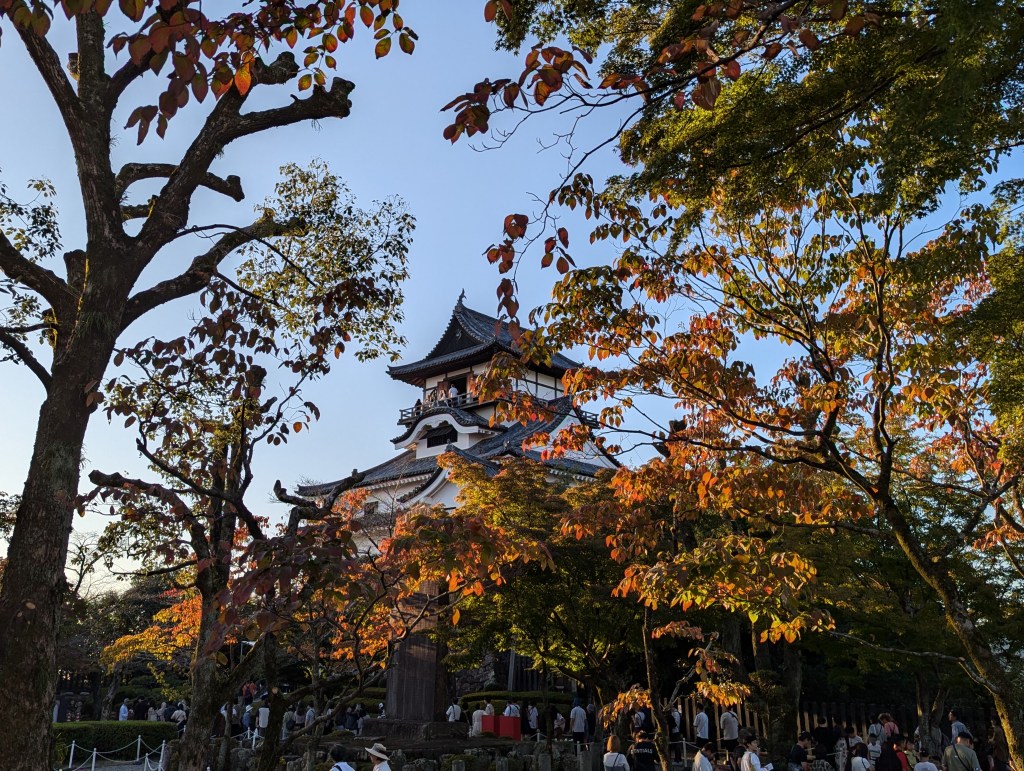
In my personal opinion, the answer is YES, and not just because Japan is an amazing country that the world is currently obsessed with. There are several societal and cultural aspects about Japan that make it the best country for a first time solo traveller, here are just 5 of them.
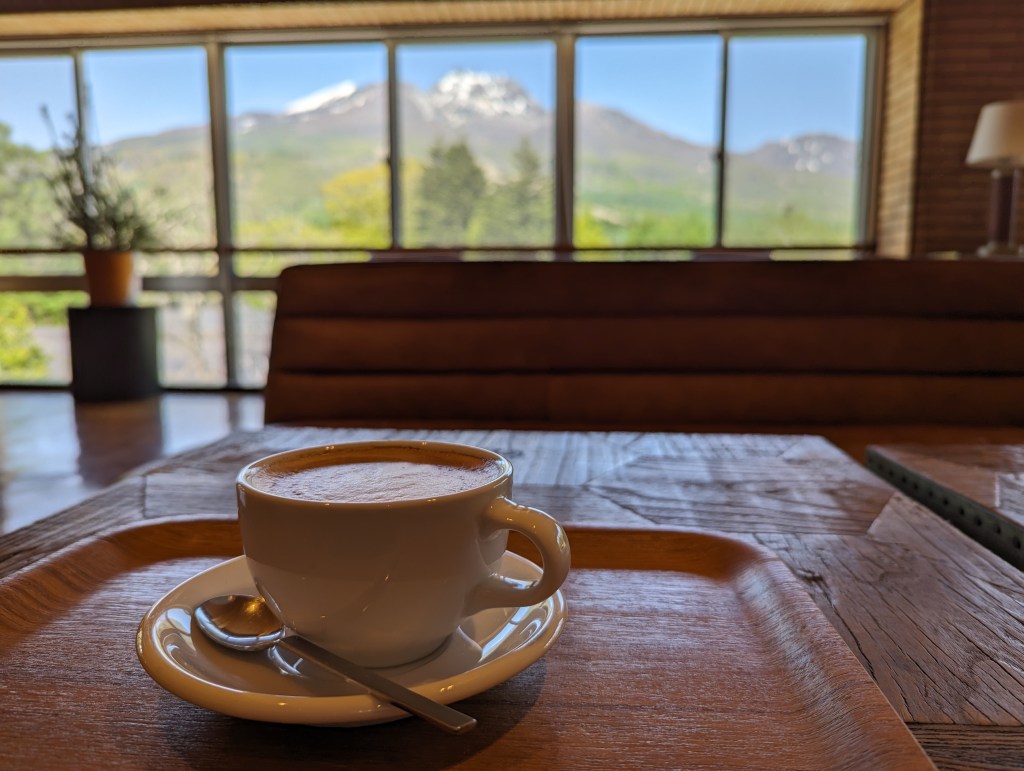
Safety first
Japan is known globally as being one of the safest countries for living and travel, and as someone who’s lived there twice, I can tell you it’s true. Leaving a bag at the table while you duck to the toilet is a pretty brave thing to do in a western country, but in Japan it’s the norm. Heck, even leave your laptop on the table while you relieve yourself and sure enough, it’ll still be there when you get back (though I still don’t recommend doing this, you never know). Even lost items are relatively safe here.
It’s almost impossible to lose something in Japan, and I have many stories to back this statement up. I once unknowingly dropped my earphone while doing my grocery shop and didn’t realise it was missing until I returned home. I returned to the local supermarket two days later and the polite service attendant took me to their help counter where, sure enough, she pulled out my little grey Jaybird carefully placed inside of a small, clean ziplock bag and labelled with a date. If that had happened in Australia you can bet you would’ve returned to a squished earphone on the floor of Woolies.
In a more stressful scenario, my family came to visit and, in a tired state, my brother had accidentally left a small bag in the back of a taxi in Osaka containing his passport. In a panic, I called my friend back in Kyoto whose Japanese was better than mine and he came with us to a local kouban (police box) and, after a short conversation with the officer and a few lengthy phone calls, we were told to head to a nearby police station where, low-and-behold, was my brother’s strap-pull bag with his belongings tucked safely inside. That same friend had dropped his wallet by a river while riding his bike and a random pedestrian stumbled upon it, noticed his school ID inside, and very kindly brought it to our university so that it could make it’s way back to it’s owner. When you’re travelling alone misplacing items can easily send you into a frenzy, so it’s nice knowing your items are more likely to make their way back to you in Japan.
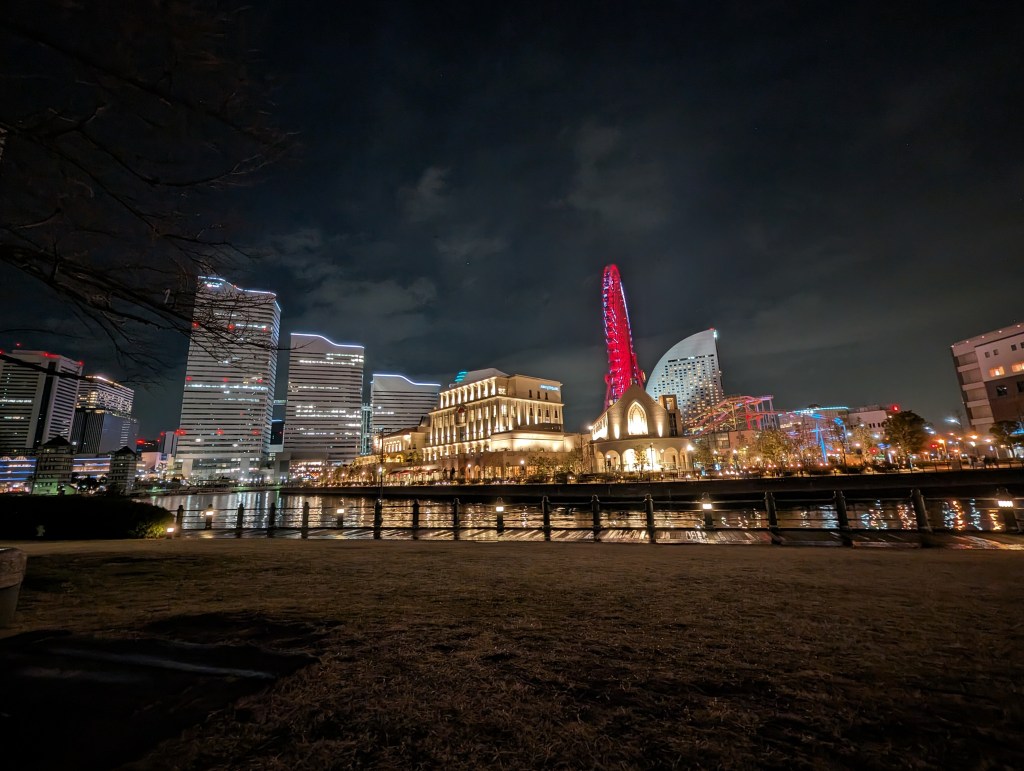
Walking through a city like Perth or Melbourne late at night as a young female always leaves me feeling uneasy. My senses are heightened and I’m hyper aware of my surroundings – often I’ll ask a friend to walk with me to where I need to get to for extra safety. In Japan, however, I feel free as a bird, and as a solo travelling female, that is everything. Evenings moving through Tokyo at midnight or walking back home to my dormitory at 3am in Kyoto were never an issue. Mostly, other people are also just making their way home. I would still avoiding walking through large parks or non-lit places, and there’s still areas like in any city that should be avoided, but I found I could wander down the street in the dead of night and not feel an ounce of fear. It’s also not uncommon to see young school children as young as 5 making their way to and from school alone, even on public transport, a thought that would send my parents to hospital if I’d done it. Well, I did once and after the telling off that followed, I never did again..
Solo dining is a daily affair
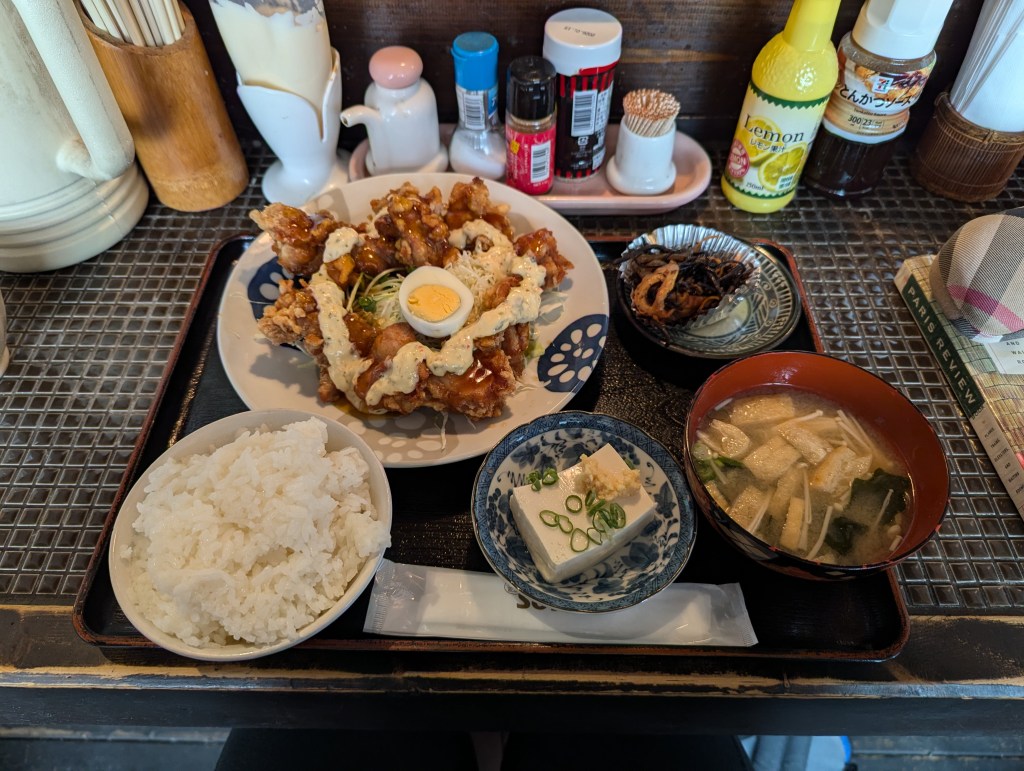
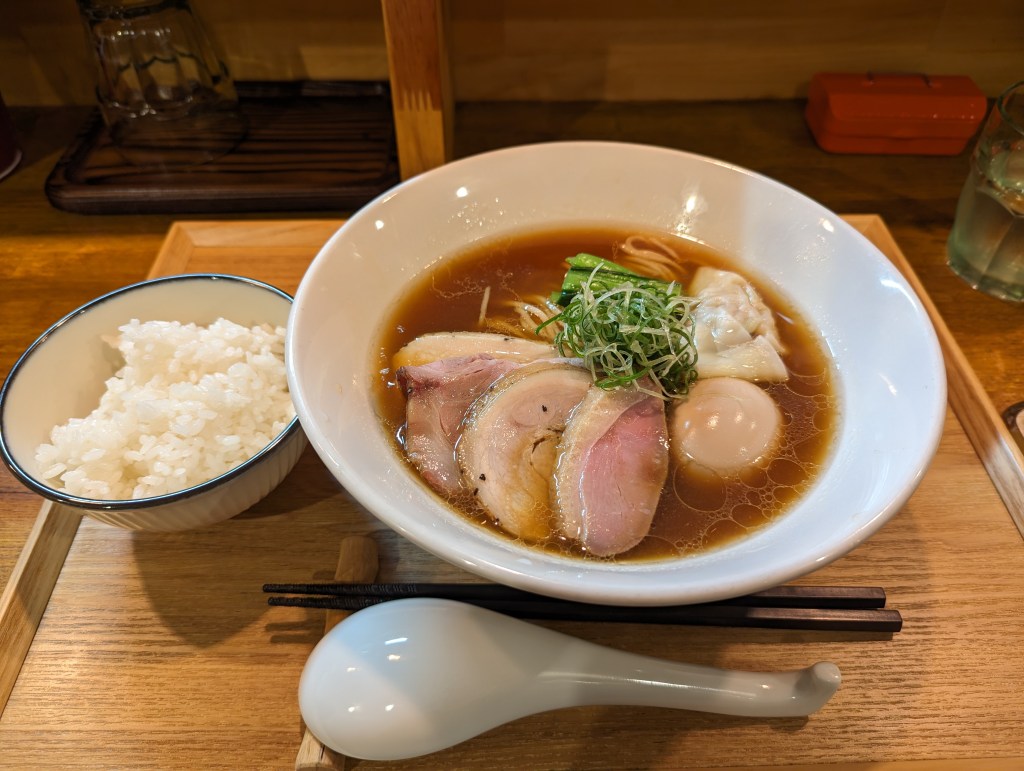
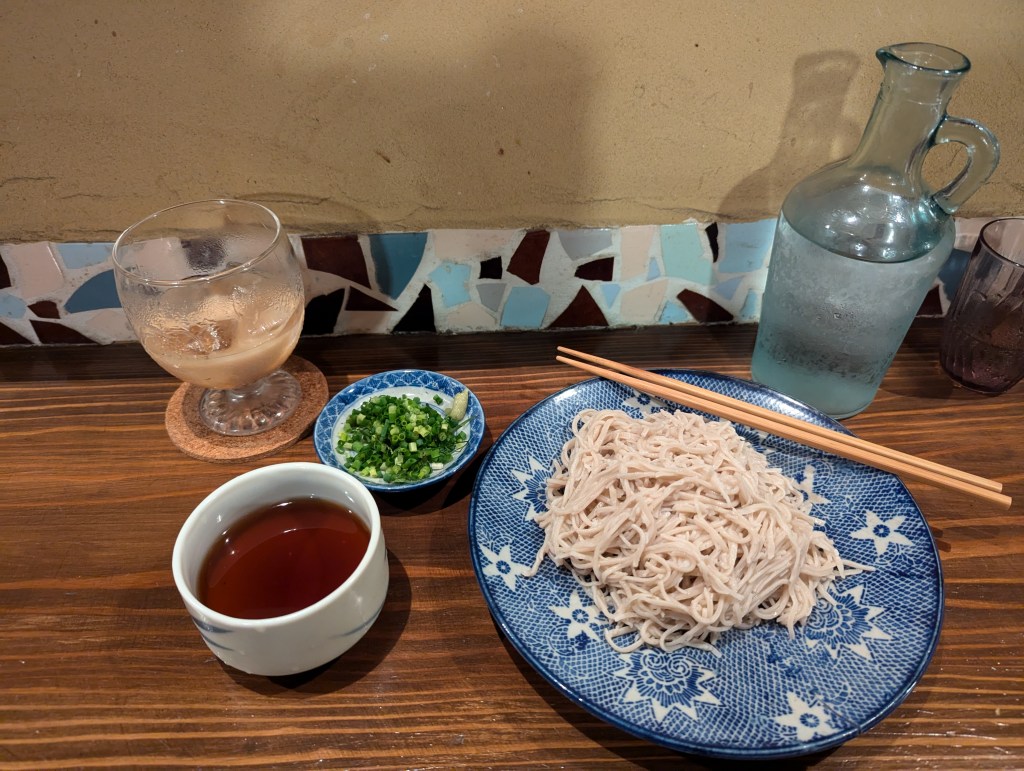
Solo dining can seem like the most embarrassing thing in the world when you’ve never tried it before – some people would rather eat in a toilet cubicle than partake in the act. In Japan, however, it makes up for the daily lives of most locals. There’s plenty of bars and restaurants set up with counter spaces for solo dining, some even with private cubicles to give patrons more privacy. Kaitenzushi (sushi train) is an especially easy choice for eating alone with multiple counter seats and everyone being too preoccupied with what they’re ordering and eating to pay you any attention. So if you’re feeling nervous to try it out for the first time, you can rest assured that almost any restaurant in Japan will contain at least one other solo diner to help you feel more normal. And if anyone is looking at you, it’s most likely curiosity because you’re a foreigner, and not because you’re eating alone. Or maybe you’re just really really really ridiculously good looking. Either way, solo dining is a completely normal and widely accepted activity in this part of the world, so embrace it and eat to your heart’s content.
Transport is a breeze
I grew up in Western Australia, and while our transportation systems have improved in recent years (yay for a train line that goes to and from the airport), it’s still far from being efficient. With only 7 train lines, making your way into the suburbs can be a difficult journey, and buses can be late, sometimes they don’t show up at all, and usually they have complicated routes that make travelling just a few kilometres take forever. Even purchasing Smartrider cards can be complicated, often not even worth it for tourists. Japan however? Oof, what a different story.
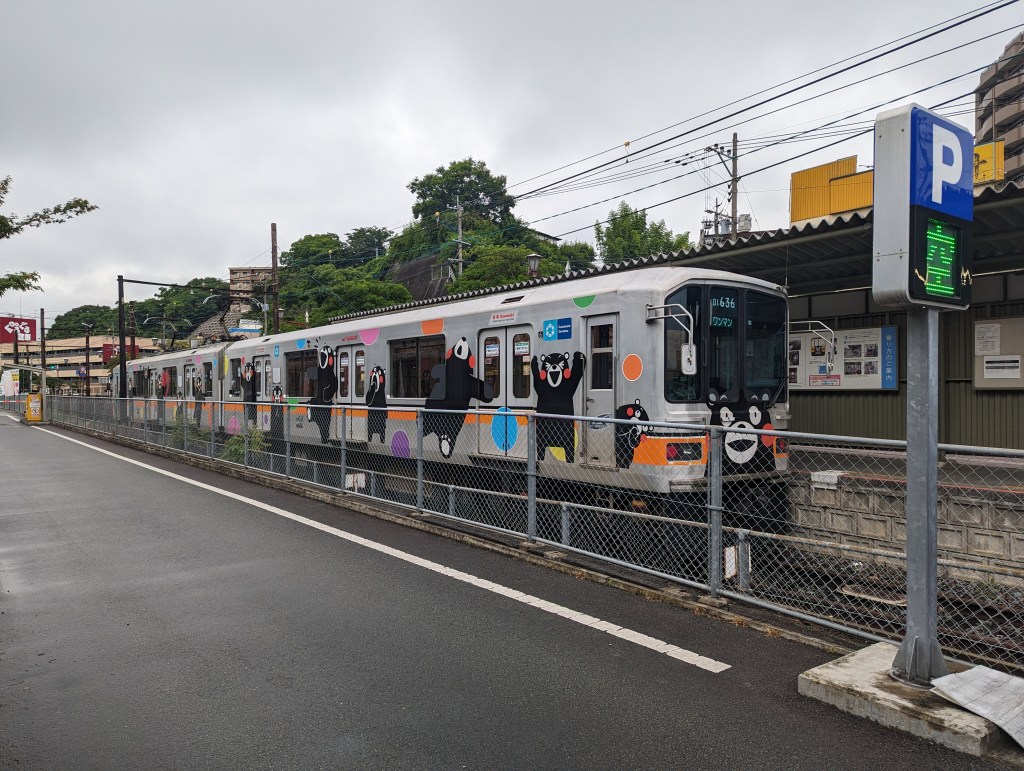
Yes, going to the more remote areas of the country will require a car, but the majority of cities and towns are easily accessible by trains and buses that are almost always on time. Japan has one of the most efficient train systems in the world and even busses run pretty religiously nationwide. The most amazing part of travel in Japan though? There are multiple options for getting to one destination to suit different budget types.
For ultimate comfort and time-efficiency, jump on a shinkansen (bullet train). This is the priciest option available but also the most convenient in most cases. For a cheaper but longer option usually with some transfers, opt for local train routes . Some destinations will have special train lines like the Tobu line to Nikko or the Romance Car to Hakone, just do your research and decide what best suits your budget and timeline. If you’re really looking to save cash, I highly recommend the highway buses. You can spend as little as $18 AUD and span a long distance between cities with comfortable rest stops along the way to use the bathroom and buy snacks. I used this option pretty often to save money and sometimes took the night buses to save on accommodation too, although this option is not for the faint of heart as it’s not the most comfortable sleep, but it will save you some buckeroos. I always used Willer Travel to easily book my highway buses. You can pay online or at convenience stores for ultimate ease.
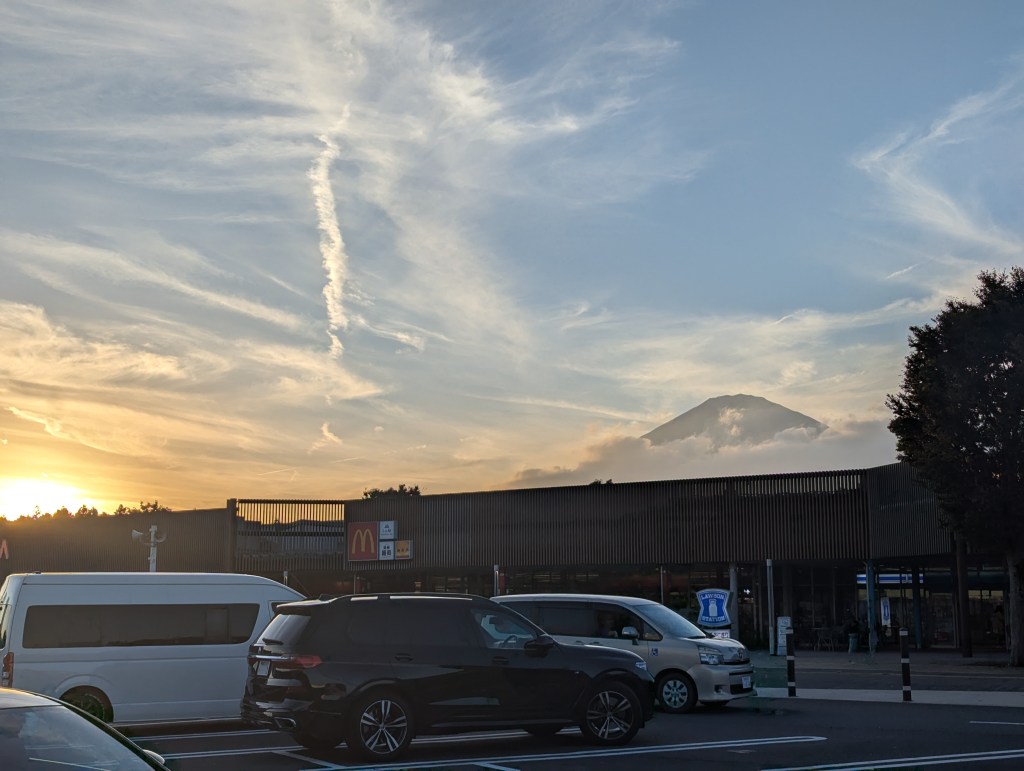
Even flying domestically can run fairly cheap – I flew from Tokyo to Okinawa for just $60 AUD! I personally prefer to avoid this option though because while it’s cheap, it does require having to deal with the headache of airports and leaves a greater carbon footprint than ground travel, but you do you.
The locals are lovely
You might have heard from other visitors to Japan that the locals are some of the friendliest people on the planet, even when they can’t speak English. A simple onegaishimasu (please) or arigatou gozaimasu (thank you) will spark excitement in most Japanese people and sometimes lead into conversations about where you’re from and what you’re doing in Japan. This is especially so when you venture out into the countryside where tourists are few and far between.
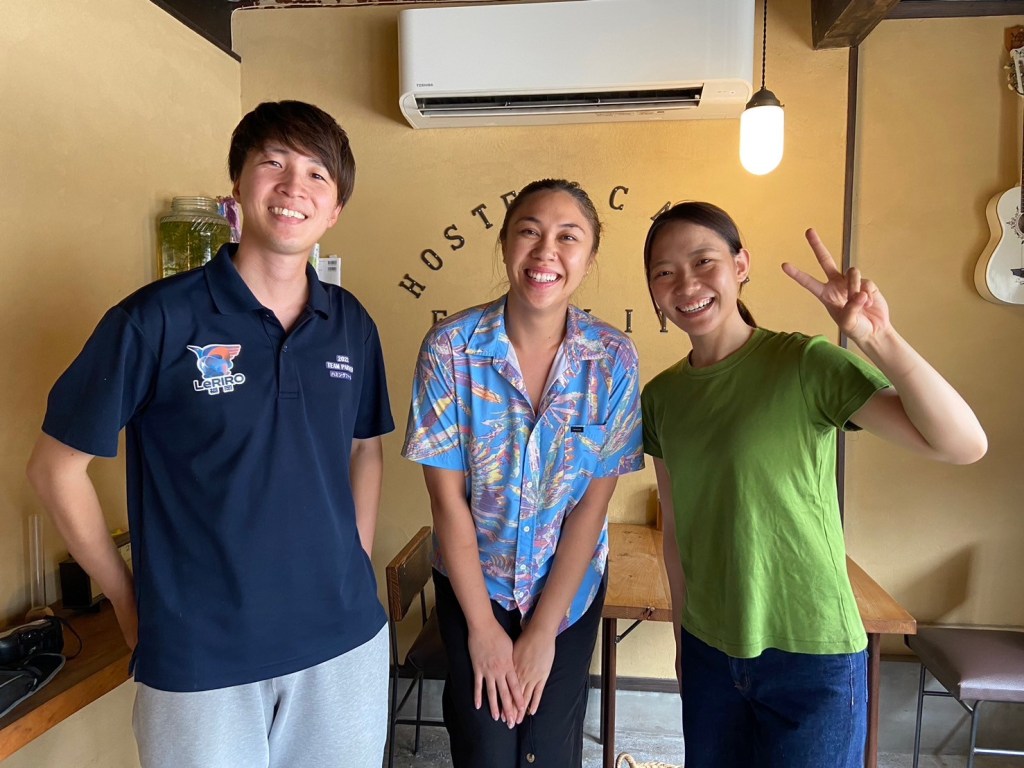
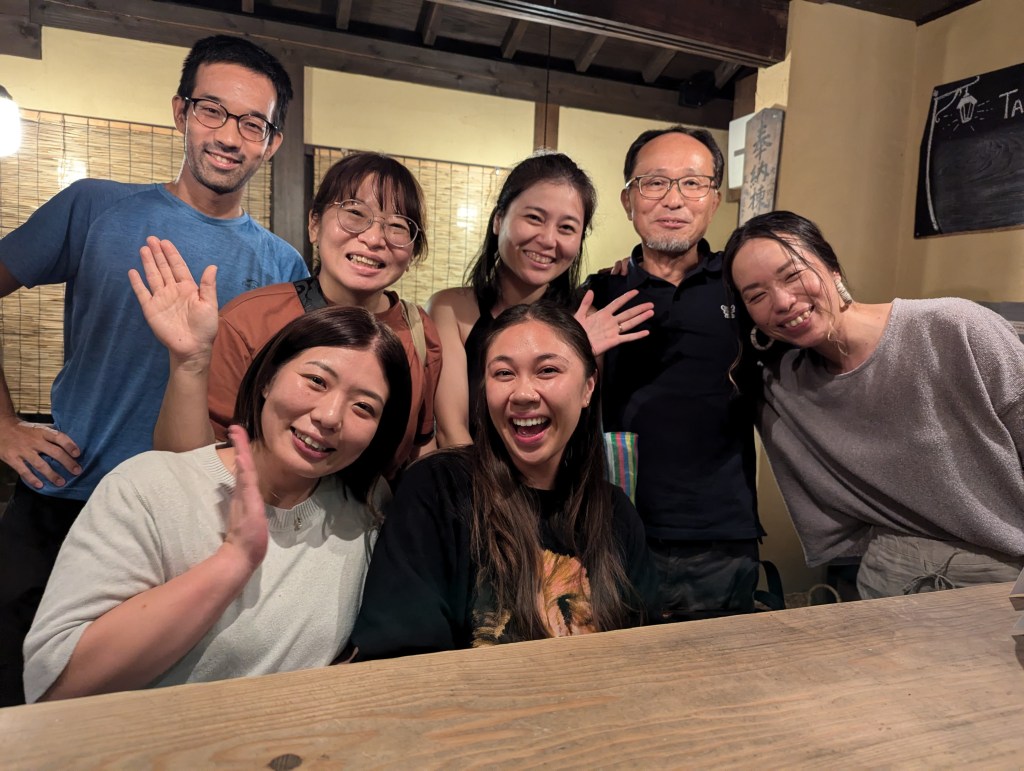
If you’re asking for directions, you may find yourself tagging along with a local all the way to your destination rather than just receiving a few lines of hazy directions from them. Mention you like a certain Japanese food and they might show up with a sample or homemade version for you to try. Offer them some stories or omiyage (souvenir gifts) and they may even welcome you into their home and give you a tour around town. Japanese people are truly some of the sweetest and most curious that I’ve met and it’s what keeps me coming back.
Hostels? More like hotels
Last year I went to Melbourne for a good friend’s wedding and chose to stay in a hostel since that’s how I’d been spending my time in Japan – jumping from hostel to hostel (and sometimes friend’s couches). I went in confident and excited to be back in a home city that I love but, my gosh, I was shocked. It’s true, the Aussie vibe is very different from Japan and this hostel was a very open and social one. It was advertised as recently renovated and with capsule style bunks similar to those in Japan so I had high hopes. Unfortunately, the floor I stayed on still had renovations underway, which meant noisy mornings and running into tradies every day. But the biggest shock was the bathroom.
I stayed in an all-girls room with one shared bathroom between 8 of us that was situated right in front of my bunk. It was a bit of a game of timing to figure out when to grab my stuff to dart in for a shower before someone else wandered in and I felt too guilty to use the bathroom for hair or makeup in case someone needed the shower or toilet. The most annoying part – I had lugged my shampoo, conditioner, soap and soap all over Japan only to realise that all of the hostels had those amenities provided. So, stupidly, I assumed Aus would be the same and… nada. So I had to go out and buy some toiletries when I had perfectly good ones waiting back in Tokyo for me. Huff. The bathroom also never felt clean and always had water over the floor. A stark contrast to what I’d gotten used to.
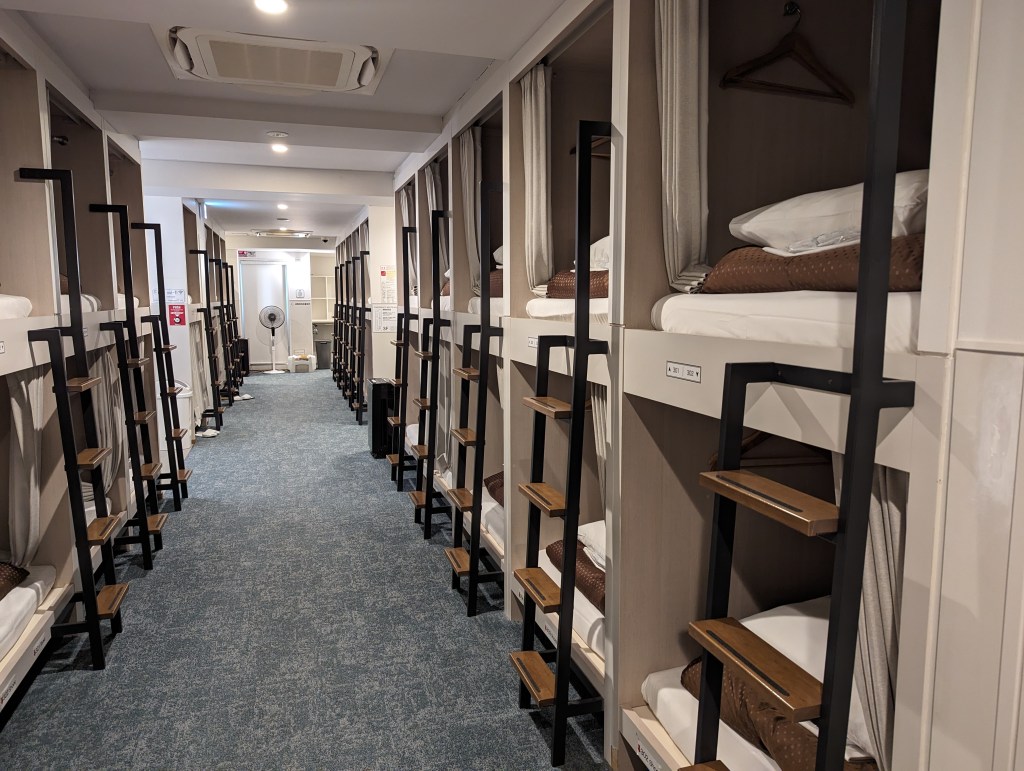
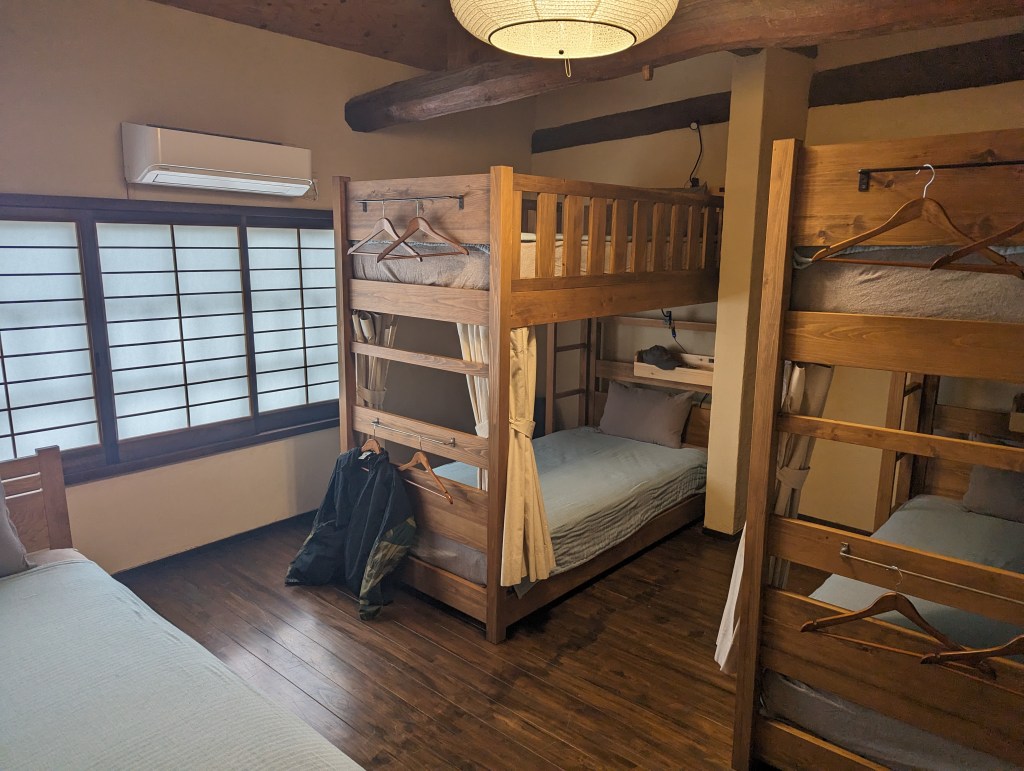
Japanese hostels feel luxurious in comparison. Sure, you’ll still get the odd dodgy one for $20 or less, but the majority of them are well laid out, provide plenty of privacy, and, best of all, have multiple, clean bathrooms full of the basic amenities needed to wash off the days adventures from your skin. Some hostel options are part of a hotel too, so you can enjoy hotel style common areas whilst benefiting from the lower price of a hostel capsule bunk that’s plenty spacious and private. At Yutorelo in Nikko you have the choice of a hotel room or dormitory bunk to stay in with an indoor and outdoor onsen for use by all.
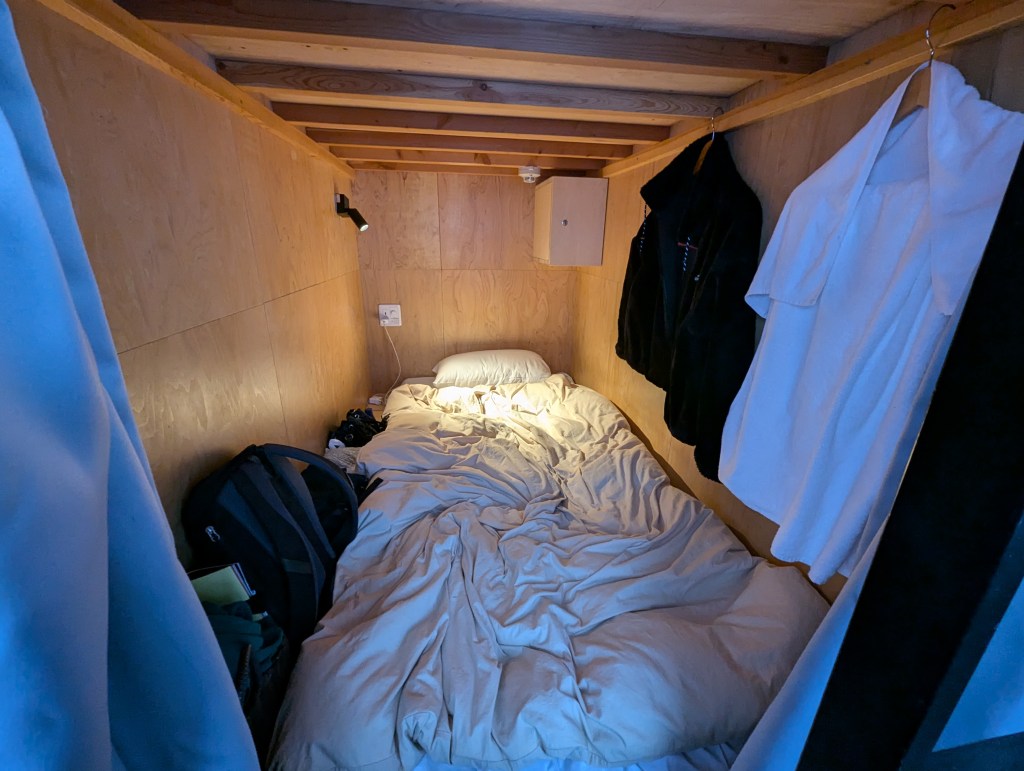
A lot of hotels around Japan also cater to solo travellers with cheaper prices for staying alone. Unlike Aussie hotels where you’ve gotta fork out the cash for a double room if you’re staying alone, many Japanese hotels and ryokan offer single rooms and sometimes price the stay per person as opposed to per room to give you wider options for solo travelling with less financial stress.
I feel incredibly lucky that Japan was the first country that I experienced solo travel in as I always felt safe, comfortable, and not once had to worry about whether I’d be able to arrange transport to my desired destination. It was like a nice little baby dive into travelling solo and has given me the confidence to go out and do it in other countries. The only downside to choosing Japan as your first time solo adventure – it might make all the solo travels to come feel a little lacklustre in comparison.
 Kulture Kaiwa
Leave a comment