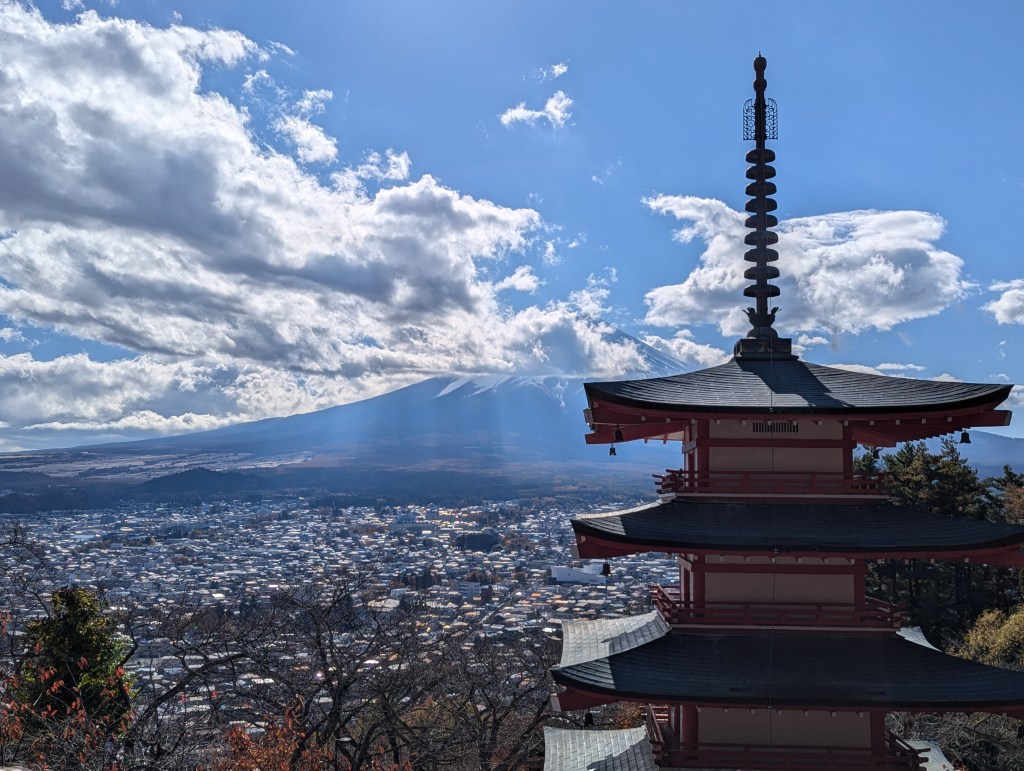
Japan has never been a hotter destination than it is right now, and plenty of us around the world have thought about packing our bags and moving on over at least once in our lives, but what does the process of moving to Japan actually entail and what can you realistically expect when you get there? For those of you who are ready to take that leap, I hope this post can help to answer some of your questions and better prepare you for what’s to come.
This post will focus on my experience as an Australian moving to Japan on both a student visa and on a working holiday visa, but most of the information is relevant for anyone moving to Japan.
Is it difficult to get a Japan visa?
In my experience, not at all. Us Australians are incredibly lucky, as we have strong passports and a great relationship with Japan as far as exchange and working holidays go. The first time I moved to Japan was on a student visa through an exchange program with my local university (Murdoch University in Western Australia has a wonderful Japanese and Asian Studies course for anyone interested). The visa process was smooth, largely thanks to the Murdoch staff, but it only required filling out some forms, handing them over to the Japanese Consulate-General in Perth along with my passport, and within a matter of weeks my visa was approved and stuck into my passport pages.
Applying for a working holiday visa in Japan was similarly simple. The Consulate-General site had a clear list of what was required to bring when applying, so preparation was easy. The list includes: a recent passport photo, passport, a copy of your passport, flight booking confirmation, Resume/CV, proposed schedule, letter of intention, and a recent record of your bank balance/statement. The proposed schedule is a basic rundown of how you plan on spending your time in Japan from month to month and the form for this can be downloaded from the site here. What you write in this form isn’t set in stone, so don’t panic if you’re not yet sure how you will be spending your time, this is just to give them an idea of what your plans are and how your working holiday may enrich the country too.
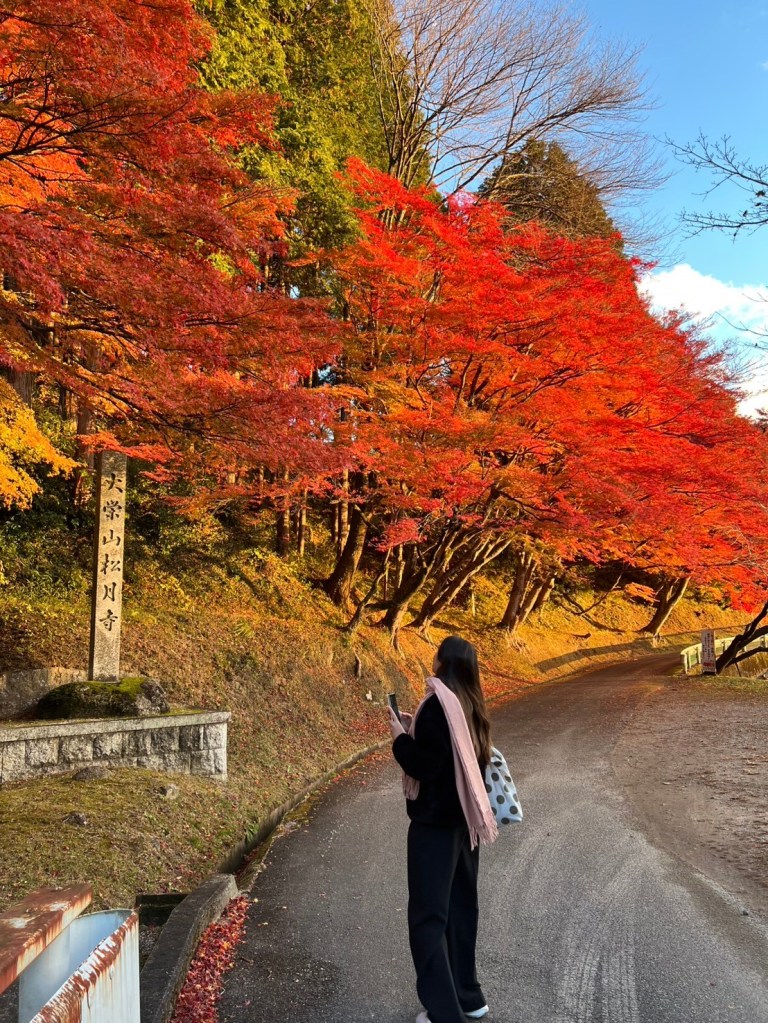
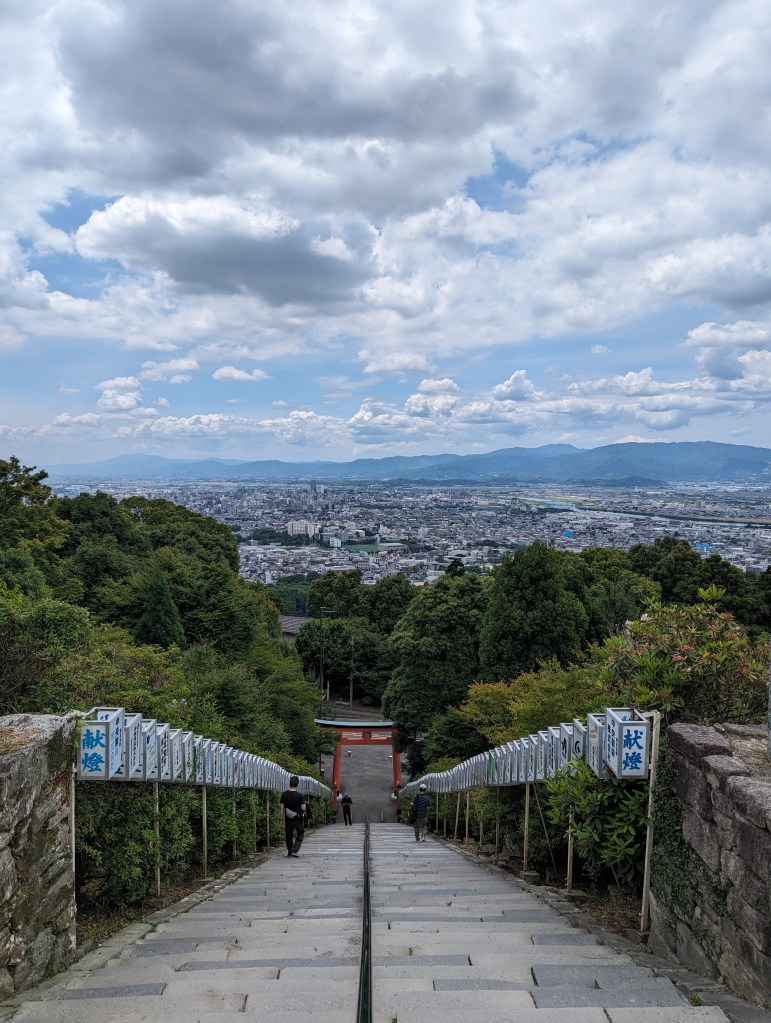
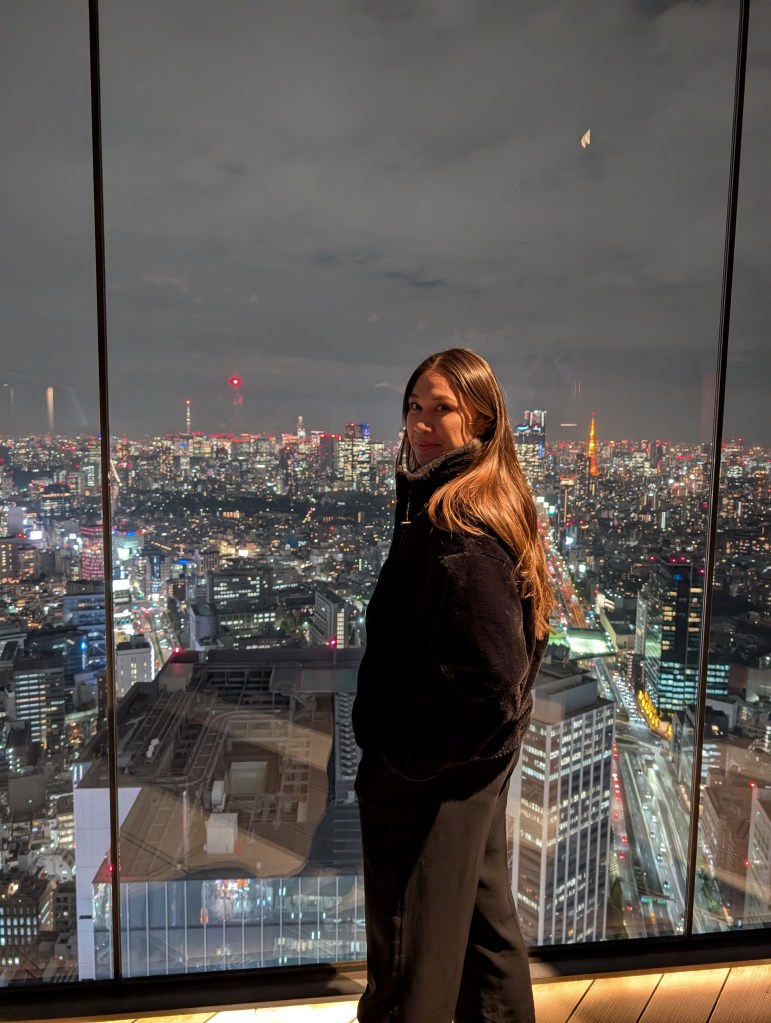
You might also be thinking: can I apply for the visa before I book my flights? It can feel uneasy to pay for expensive flights before you’ve even been approved for the journey, but the good news is that you can wait to book your flights until after you’ve been approved. You just need enough money in your account to prove that you can afford to buy a return flight as well as sustain yourself for the first few months after arrival. This minimum amount may differ from country to country, so be sure to check your specific requirements.
Different countries and different states will have their own sites for their local Japanese Embassy or Consulate-General, so be sure to check the site that is relevant to you and your area as the requirements may differ.
Moving multiple times in Japan is a pain in the a**
If you plan on moving around Japan to experience living in different prefectures, then I’m here to warn you of the paperwork that comes with it, but not scare you out of it because it is worthwhile. When you arrive in Japan, one of the first things you need to tick off the to-do list is registering your new address at the local city hall in your area. This can be daunting, especially if you can’t speak much Japanese, and relatively time consuming, but the process itself is rather simple. Just bring along your residence card (在留カード), passport, and details of your new residence, let the staff at your local municipalities office administration know that you’re registering a new address, and they will hand you the appropriate form to fill out and give you a number for processing once you’ve filled it out. This is a very basic run down, but Jobs In Japan has a super useful post on all you need to know about registering and de-registering your address in Japan here.
What becomes annoying when you move multiple times is that you need to not only register a new address in that municipality, but you also need to de-register the address that you’re moving out of in that municipality. What that means is that if you’re moving from Hana-Koganei (Kodaira City) to Yoyogi (Shibuya City), then you must de-register your move out address at Kodaira city hall, and then bring the de-registration certificate with you to register the new address at Shibuya City Office. And you have to do it in that order because you cannot register the new address without the de-registrations certificate – a mistake that I made when doing that exact move, which was rather frustrating considering those two offices are not exactly close to each other. Learn from my mistakes friends.

Now, you might be wondering (as I was): Can you keep one address in Japan registered while you move from place to place? And the answer is, yes, you can, technically. I’m not 100% sure of the legalities of this, but I spent weeks researching and looking into the answers myself before deciding to try it out. What I gathered is that no one is going to look into it to make sure you are living at that address, but it will be up to you to stay up to date with any important bills and information being sent to that address. If you have a friend who is willing to let you register their address, it will save you a whole let of headache and also give you peace of mind in case you receive important mail. Please do get consent for this, as landlords and real estate in Japan can be strict about numbers of tenants and you don’t want to get your friend, who is graciously doing you a favour, into trouble.
National health insurance is mandatory
When you register your new address after arriving in Japan, you will usually sign up for the national health insurance at the same time. The staff will ask you if you need to be registered so just answer yes and they’ll sign you up and inform you of when you will receive your set of payment slips and insurance card in the mail. The payments cost ¥1000/month and you can easily pay them at the convenience store.
This really comes in handy if you need to visit the dentist or GP, as the insurance will cover 70% of the bill, so you just need to pay the remaining 30%. While most of them do, not all dentists and doctors accept the national insurance card, so be sure to check online or call ahead to ask before heading in for an appointment.
Deodorant in Japan sucks
It will never cease to amaze me how little Japanese people sweat, especially in the hot and humid summer months. Maybe it’s the combination of this with the general standard of good hygiene that Japanese people uphold, but the deodorant sold in Japan is kinda… trash. I maintain good hygiene but I’ll admit, my sweat levels run on the high end. Just walking to the train station in summer had me wiping off streams of sweat with my trusty sweat cloth – a common item in Japan, although I don’t look quite as gracious with it as the barely-breaking-a-sweat dainty Japanese women.
The first deodorant I bought smelt purely of alcohol and clung to the armpits of my T-shirts. It was not anti-perspirant but it also did nothing for improving odours, it just felt like rolling a harsh cleaning chemical onto my pits. The next deodorant I tried was an anti-perspirant spray. I had higher hopes for this one – it had a powdery feel and no hint of alcohol in it’s scent – but I swear this one actually made me smell worse. I ended up requesting a fresh supply of Rexona roll-ons from mum to tide me over and boy was I grateful for them in the warmer months.
Washing machines run cold
Most washing machines in Japan run on cold water only, especially the older ones supplied in share houses and foreigner-friendly apartments. This really didn’t help me out during my crappy deodorant period and a lot of my shirts would come out of the wash smelling like they hadn’t been washed at all. I recommend using multiple products when washing your clothes in these machines to give them a thorough wash and kill any bacteria that the cold water won’t penetrate. I recommend an odour remover like this one and some of the scented laundry crystals/beads that are popular in Japan, to leave your clothes smelling super fresh (you can find these at most drug stores).
It can be just as cheap to buy meals as it is to cook them
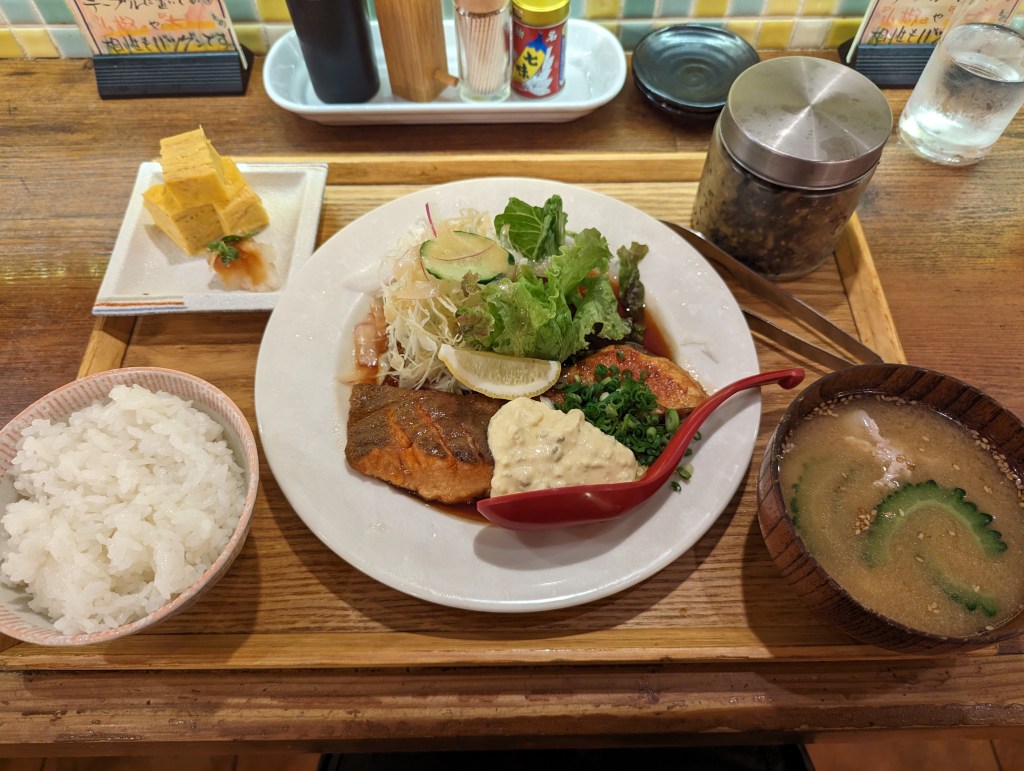
Unlike eating out in Australia, which may leave you financially crippled by the end of the month, eating out in Japan is super affordable and usually healthier than getting Western take-out. Although prices have increased over the last few years, as they have everywhere else in the world, you can easily find substantial and well-rounded meals from between $10-15AUD, about half the price of a meal in Aus.
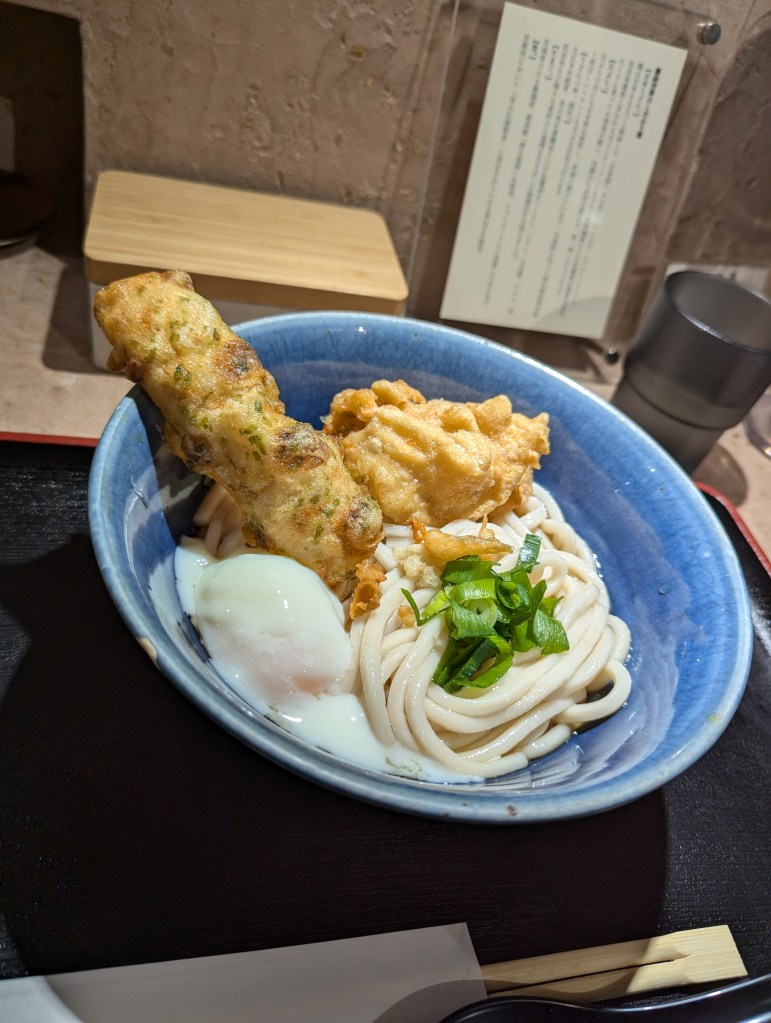
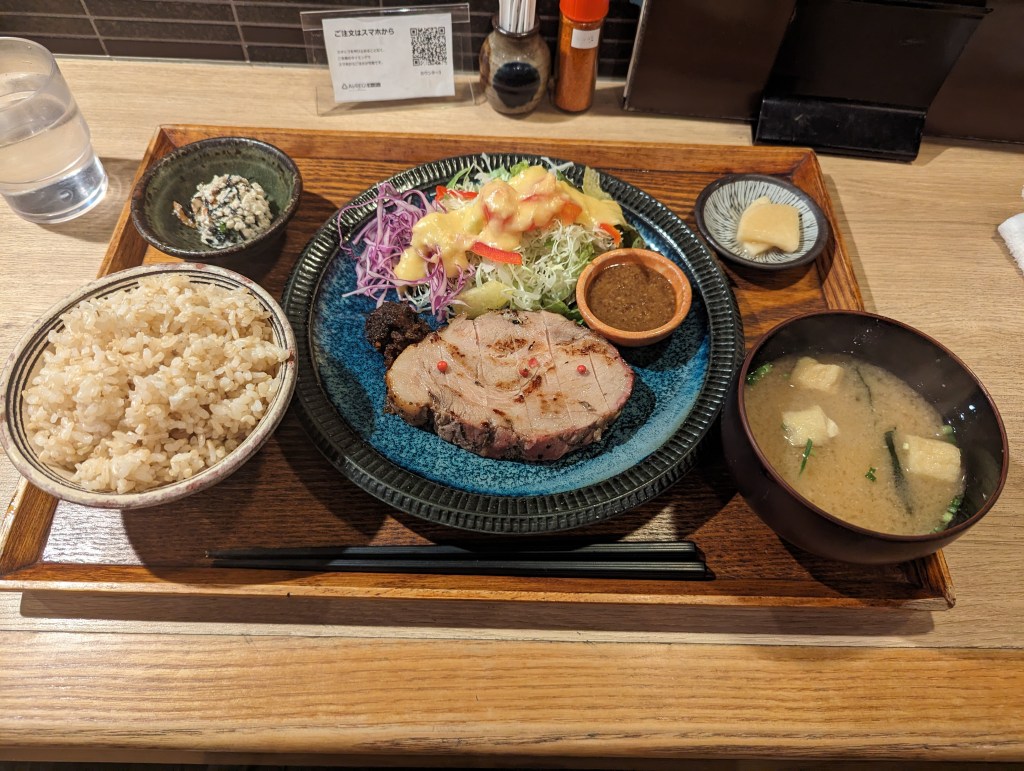
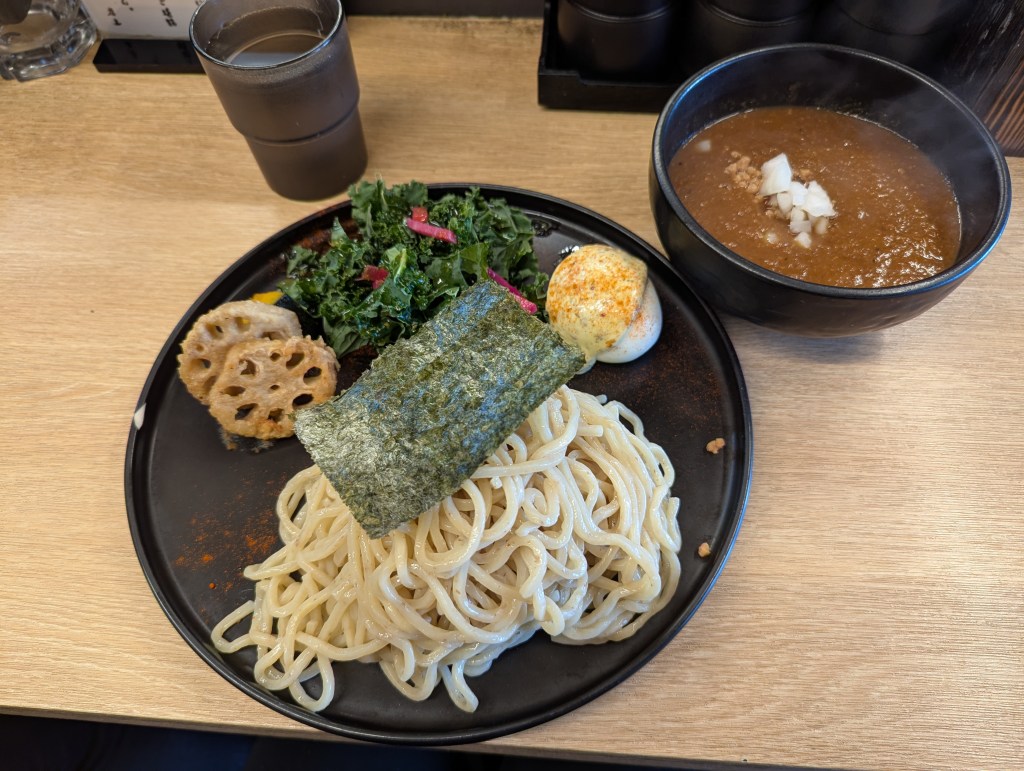
You may be tempted to get a convenience store fix on the daily during the first few weeks or months, but the food options here tend to have more of the stuff that you want to avoid, like sugars and preservatives, pumped into them to last longer. And that glorious egg sando that Instagrammers will book a flight for… you may want to check out the calorie count in those things before you start chowing them down for your daily breakfast. It’s also not so cheap to be buying from your nearest 7/11 everyday, especially if you’re grabbing multiple items to get your fill.
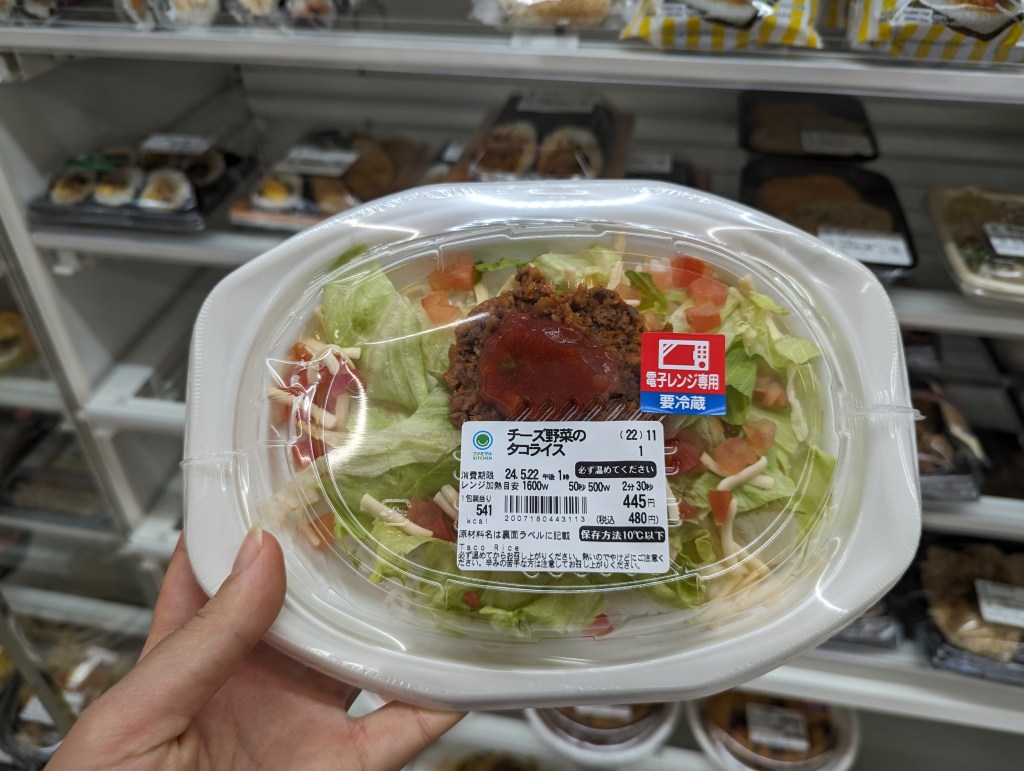
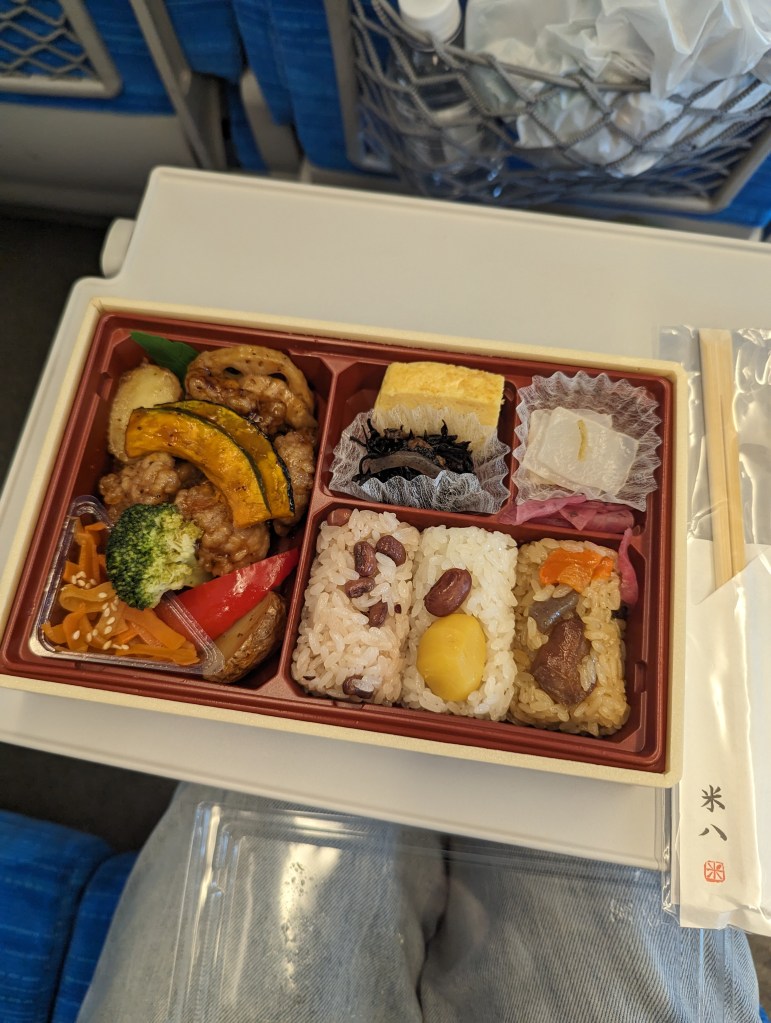
The better deals are usually found at supermarkets or bento specialist stores, where the meals are made fresh daily, and often multiple times a day for extra fresh factor. You’ll get to know your local establishments, but most supermarkets will start labelling bentos and ready-made foods at discounted prices from around 7pm onwards. While the selection isn’t so varied once discount time rolls around, it’s still worth it to nab yourself a meal (or a few to stretch over coming days) for as little as $3AUD. Kitchen Origin is also pretty handy as a quick and cheap bento store, and you can order something fresh off the menu if they don’t have it out on display. Meals here also get discounted, but a bit later in the evening, around 8-9pm.
Although the price of eating out and buying store bought meals in Japan is fairly cheap, it’s definitely healthier to prepare your own meals, especially since the majority of the cheapest meals tend to have deep fried mains and not so much veg. So while it’s nice to enjoy the convenience, best to strike a balance and cook at home too.
Apple and cash are king here
I haven’t been an Apple user for about 6 years, and the only time I’ve been upset about it was when I moved to Japan. The first time I lived in Japan was as a student, and with an iPhone, and it was easy breezy living. I assumed that using Android would make no difference, but I was wrongggg. Before you fellow Android users panic, it’s not a big enough difference to encourage someone to splurge on a new phone after already forking out money on flights, but I want to set your expectations at an appropriate level.

Android phones still work fine for any necessary apps, however, a lot of the fun, niche, or Japan specific apps are only available for Apple users. I can’t tell you why, I can only tell you that it was disappointing and, at some times, inconvenient. The most annoying part about having an Android phone was not being able to use it as a Passmo or Suica card – the travel card that you can tag on and off with on buses and trains – especially during my first 3 months in Tokyo as they had temporarily stopped selling the physical cards. This meant having to purchase tickets from the machine any time I wanted to go a-ny-where, and sometimes meant I’d miss a train or a transfer. While the Suica cards have resumed sales now, it’s still handy to have it available on your phone for topping up and easy access. But again, not the end of the world.
Credit card and debit card payments have certainly increased around Japan, especially in larger cities like Tokyo, Kyoto and Osaka. Despite the increase, you’ll find there are still many local establishments that are cash only, which is especially the case for restaurants and shrines/temples. It’s super easy to withdraw cash from ATM’s at convenience stores and the fees are generally low.
A driver’s license is a must in the countryside
As someone hailing from Western Australia, where everything is spread out and not so well connected, the train systems in Japan are f**king incredible. You can get to almost anywhere with a combination of trains and buses, howeverrrr, once you start hitting regional zones, it becomes quite difficult to get around. Buses are either infrequent or non-existent, and walking from A to B becomes a 1hour+ trek. So, if you plan to visit some more out of the way and rural areas, which I highly recommend doing because it’s such a special experience, then it really pays to arrange an international license before leaving your home country.
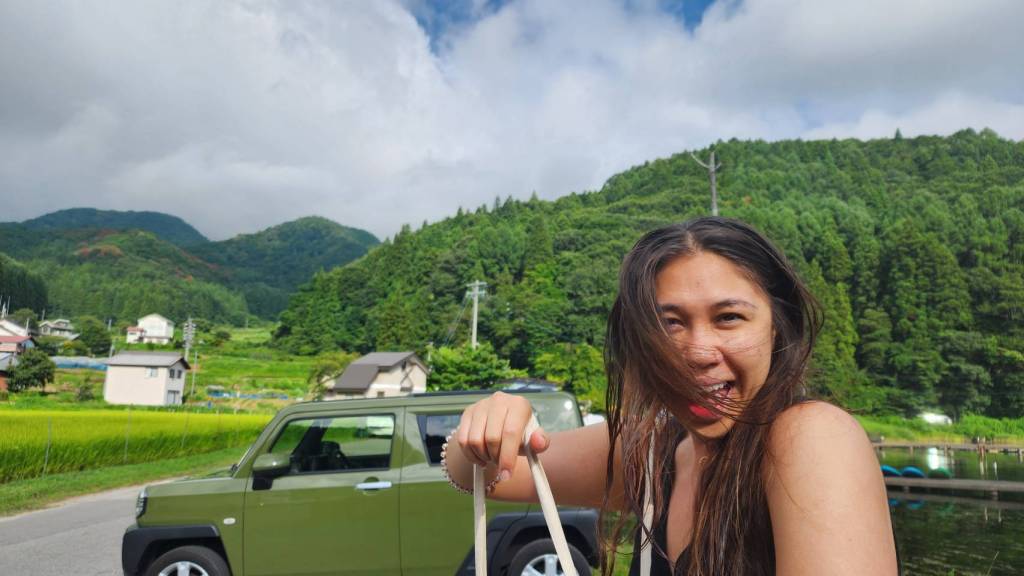
If you plan on staying in Japan long term, then by all means you can switch your license over, but for those on temporary visas, international is the way to go and much easier to organise. For any Aussies lucky enough to fulfil the complete 18 months allowable, keep in mind that your international license will only be valid for 1 year from purchase. So, plan accordingly and don’t leave the bulk of your rural travels for the last 6 months, don’t be a goose like me.
Be disaster ready
Japan is one of the most beautiful destinations in the whole world. It’s also one of the most disaster prone. It’s no secret that the island nation has been hit with some cracker earthquakes over the years that have wreaked havoc and completely destroyed towns and lives, and you might have heard about the Nankai trough earthquake, predicted to hit within the next 30 years. Because of the commonality of these natural disasters, it pays to be disaster ready.
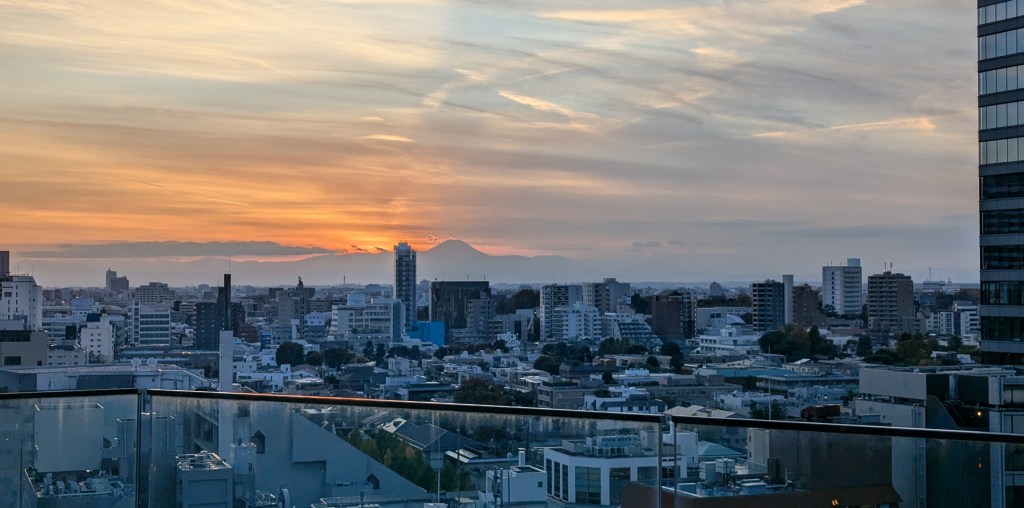
I felt quite a few small rumbles and shakes during my time in Tokyo. Even the large earthquake that tore up the coast of Niigata on New Year’s Day in 2024 had me swaying while sitting on the grass of Koganei Park – admittedly, I thought I might’ve still been drunk from the night before, until I saw the news. The most intense earthquake I experienced, however, was stood up in the classroom while working as an assistant language teacher, and it really shook me up.
In the middle of a demonstration with my fellow Japanese teacher in front of 30-odd 5th graders, the ground abruptly started to shake, so hard that everything in the building rattled with a loud urgency that alerted danger. The students immediately scooted off of their chairs to huddle underneath their desks while I looked to Bestie-sensei (the nickname I coined for my colleague) wide-eyed, steadying my feet and wondering if we were meant to get under something too. Bestie-sensei was calm and collected with the most reassuring yet stern look on her face that said “you’re safe, but stay where you are”. The movement stopped and the entire school fell silent as other teachers roamed the hallways to check on the classrooms, giving only a look to each other and not saying a word. Once a few minutes passed with no signs of further tremors, everyone resumed regular classroom positions and the lesson continued on as if nothing had happened.
I felt like someone who’d experienced a personal break up, questioning how everyone around me could just go on, right as rain, as if nothing had happened. If this had happened in my primary school classroom back home, there’d be an absolute riot of chatter amongst adrenaline-induced kids, and it’d be talked about for the rest of the day. That’s when I realised how normal occurrences like that were for people in Japan, and how underprepared I was for them. If there had been a truly bad earthquake and I was out and about or at home on my own, I would have panicked and felt unsure of what to do or where to go.
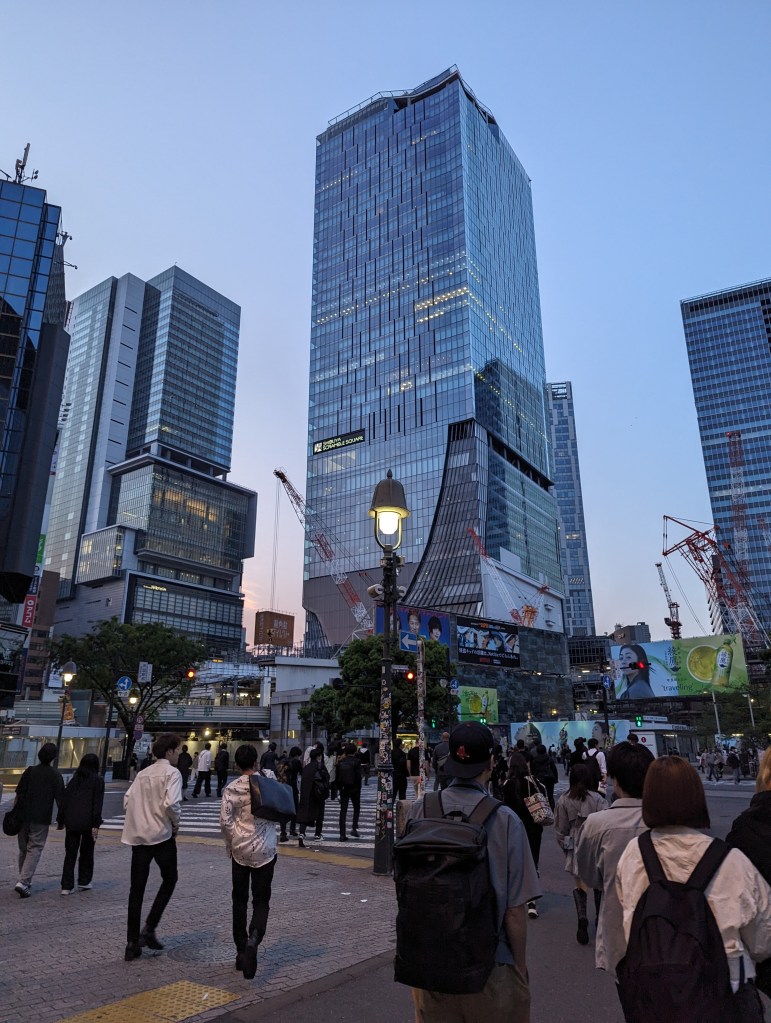
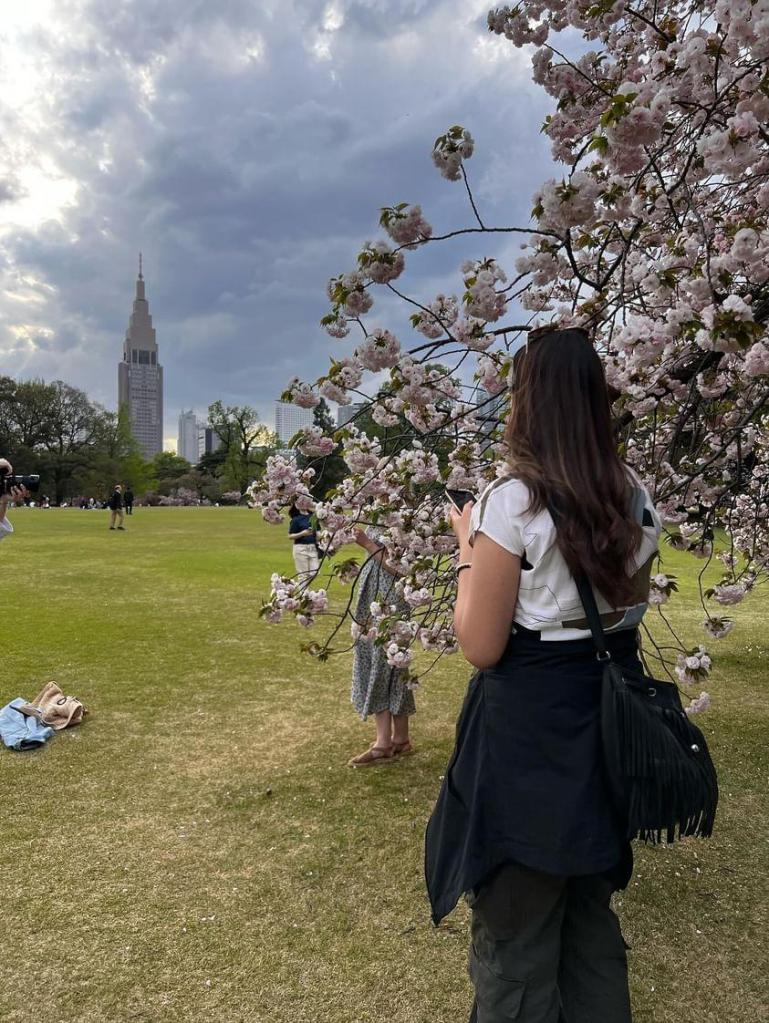

So, how to be prepared you ask? Well, you can get informed by going into a disaster prevention centre, where you can experience demonstrations and learn in person what to do in the event of an earthquake. This isn’t necessary but can provide some peace of mind. You should, however, learn about your nearest evacuation areas or centres and stay updated on the situation should something occur. Many people in Japan also have what they call bosai bags in the home. A bosai bag is an emergency kit, stuffed with all of the necessities to keep you safe, fed, and contactable in the event of an emergency. Here are two articles for handy guides on how to pack your own bosai bag and things to consider when it comes to earthquakes in Japan:
Japan Living Guide – Disaster Preparedness: Emergency Bags in Japan
Jobs in Japan – Is Your Bosai Bag Ready? Essential Tips for Disaster Preparedness in Japan
Make friends with foreigners AND locals, they’re invaluable for different reasons
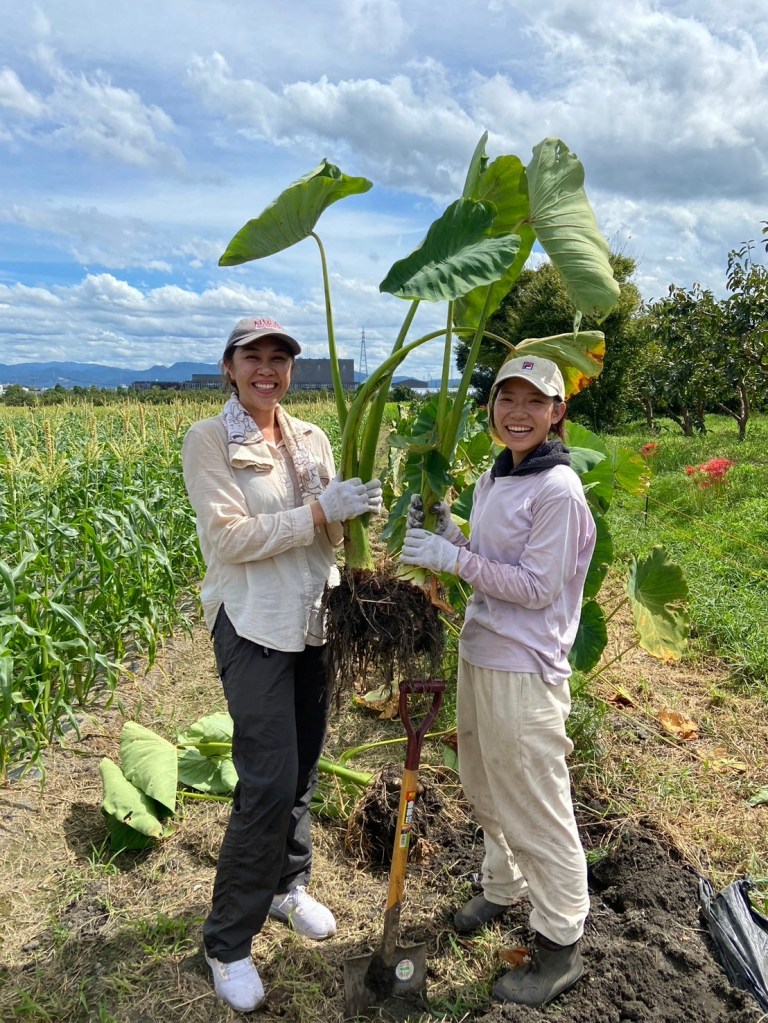
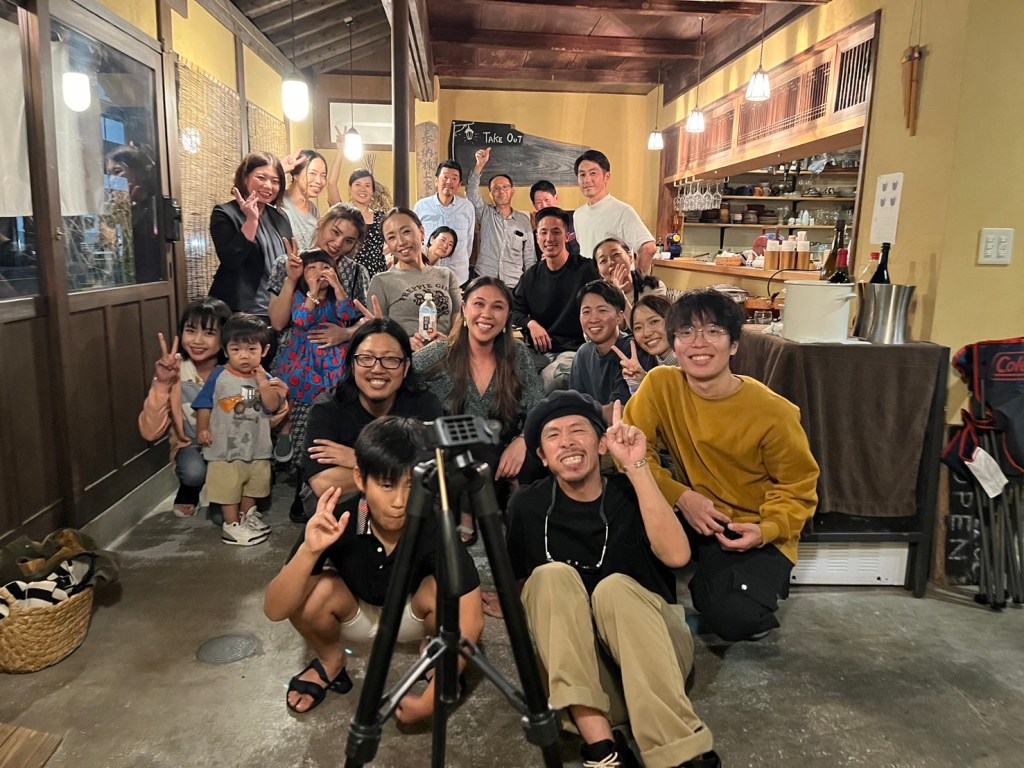
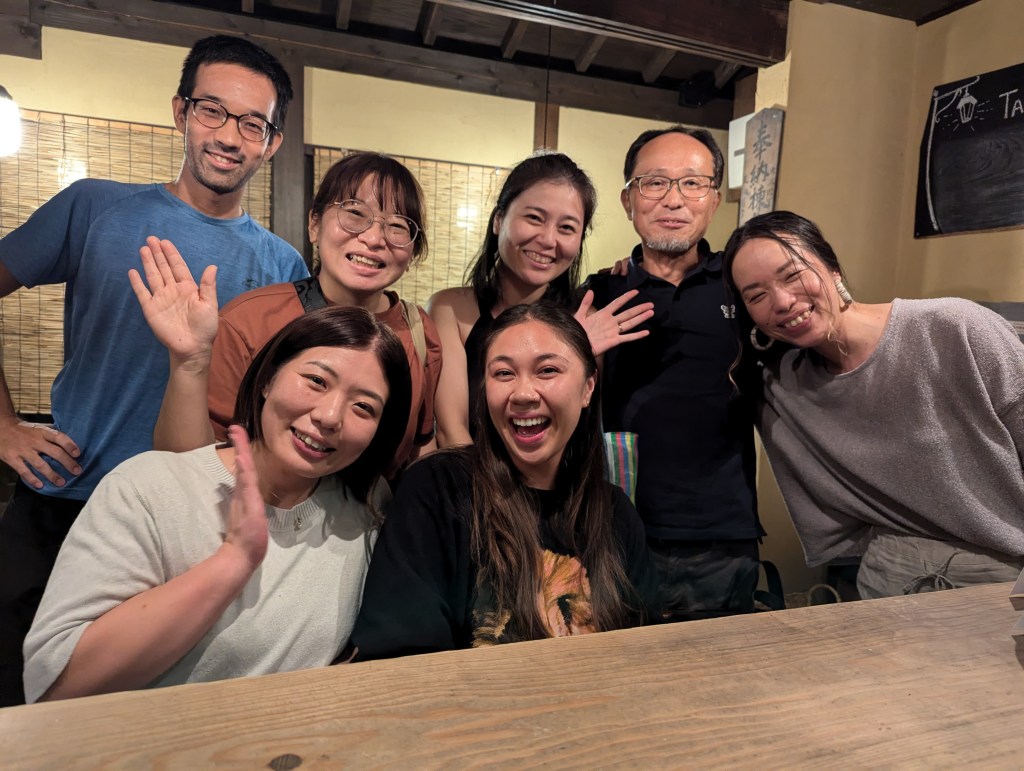
This one is important. A lot of people who move to Japan, especially in Tokyo, will make their friends within the crowds of foreigners. And there’s absolutely nothing wrong with this. In fact, the bulk of my friends were other foreigners on working holiday or student visas, and these people made my time in Tokyo so fulfilling and memorable.

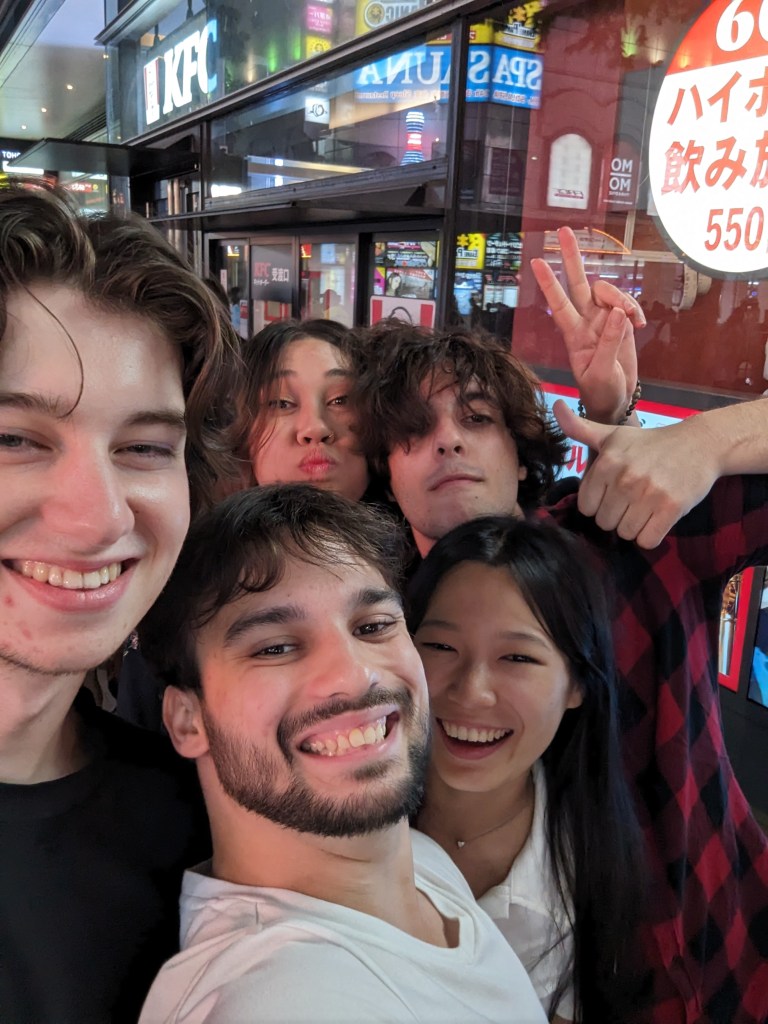
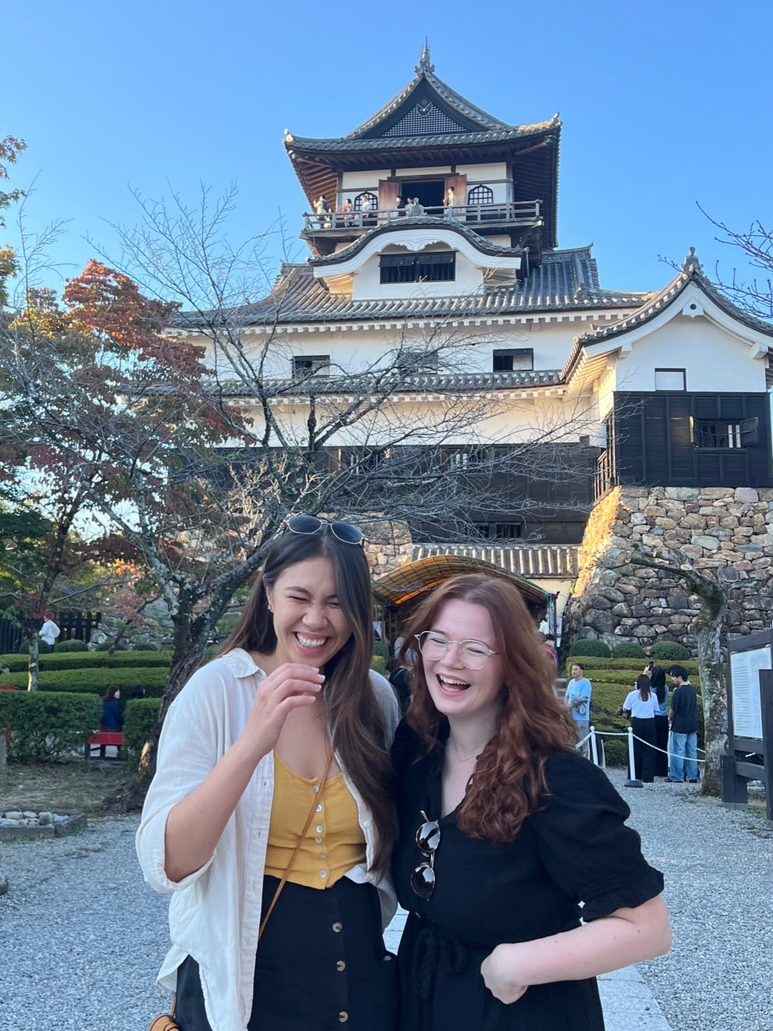
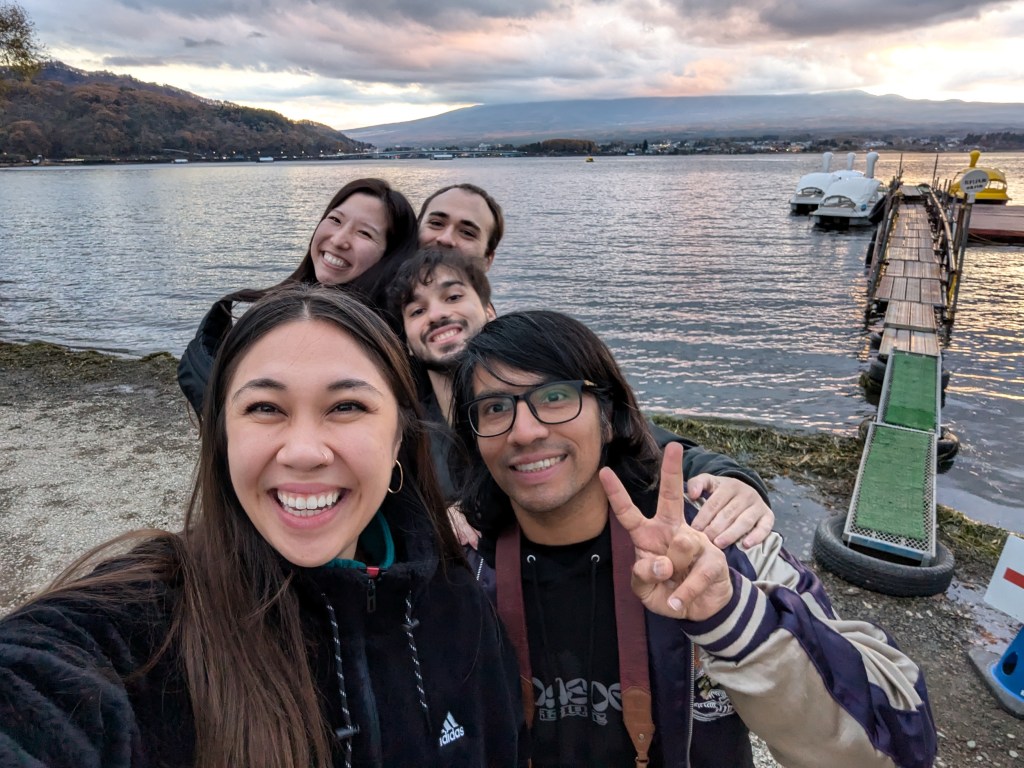
Making friends with other foreigners living in Japan is important, because they’ll understand everything that you’re going through. Whether you’re learning the intricacies of a 100-room share house, are unsure of how to book a ticket or pay a fee, are suffering from a breakup with no family around to console you, or need advice on what skincare brands are good or crap, this mob will be there to hold your hand.
However, I encourage you to put in the effort to make Japanese friends too. Not only for the times when your foreigner friend’s Japanese abilities can’t navigate the letters in the mail or the staff member on the phone, but also to enrich your experience. Making friends with locals all over Japan improved the heck out of my language skills, educated me in niche parts of the culture, and opened up a whole world of opportunities – from road trips to restaurant recommendations to hosted family stays. A simple connection with a local can completely change your time in Japan and offer up ways for you to explore the country that most people don’t get to experience.
When shifting your life overseas, it’s so important to be both physically and mentally prepared. Every country functions differently and culture shock can be a jolting experience. Reading up on what to expect and how to prepare can spare you a few mental breakdowns, so do the research, pack appropriately, and have a bloody good time!
 Kulture Kaiwa
Leave a comment