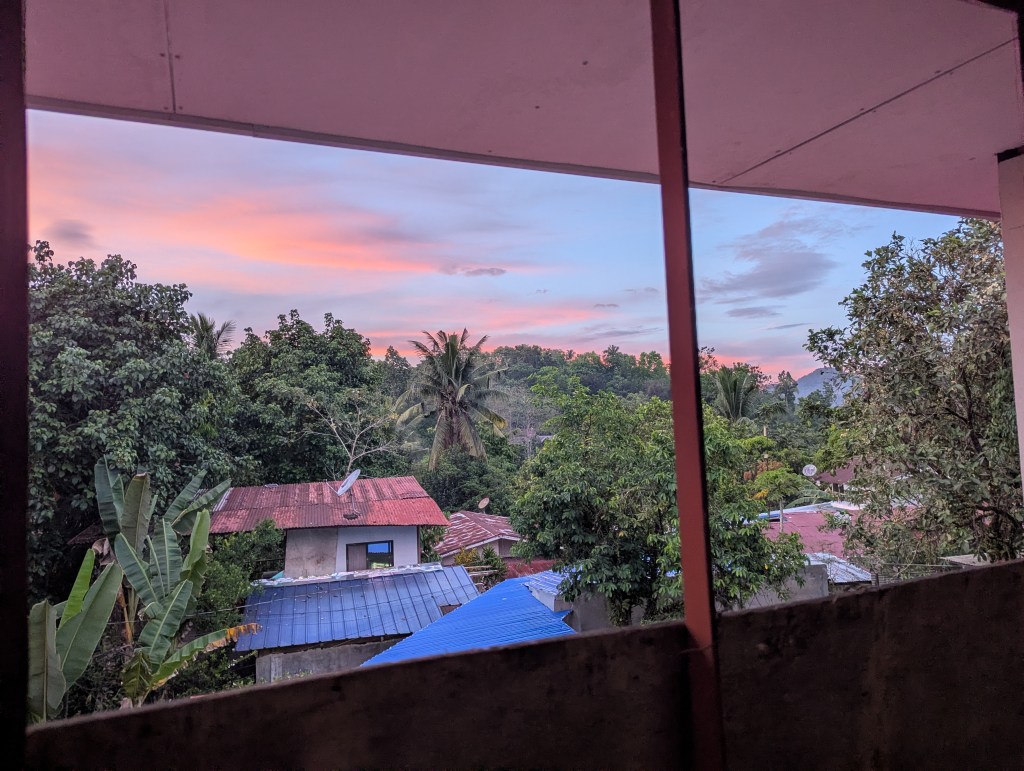
Is it safe? Is it easy to get around? Will the food make me sick? Will I get scammed? Let’s dive into these questions I’ve been asked by people interested in, but wary of, travelling in the Philippines.
A few weeks ago, I returned from a trip to the Philippines that was 100% focused on family time and getting an online detox. I came back feeling refreshed, fulfilled, and with a whole new spark for life – something I desperately needed. For the first time, it was just Mum and me flying to the Philippines together, leaving the men in our family behind to visit Mum’s original clan in Cebu: Team Fegarido (her dad, siblings, and my cousins).
We huddled in jeepneys, road-tripped to the beach, ate lechon (roasted suckling pig), attended mass, sang karaoke, listened to Lolo’s (Granddad’s) ramblings, and took respite in the mountains. I’m incredibly lucky to have family there who can drive me around places, translate the language, and give me a place to stay, but there have been times when I’ve taken off solo to navigate on my own, too. Was I scared? Not at all.
Is it safe to travel in the Philippines?
The Philippines may be small geographically, but with its astounding 7000 islands, it’s a big place. My family is based in Cebu, so I’ve mostly visited Cebu and its surrounding islands like Bohol and Siquijor. I’m pretty comfortable in Cebu City and can get myself from A to B pretty easily with taxis or walking, sticking to areas I’m familiar with that are always buzzing with locals and tourists alike. Do I think you should be scared to wander around the city as a tourist? Gosh no.
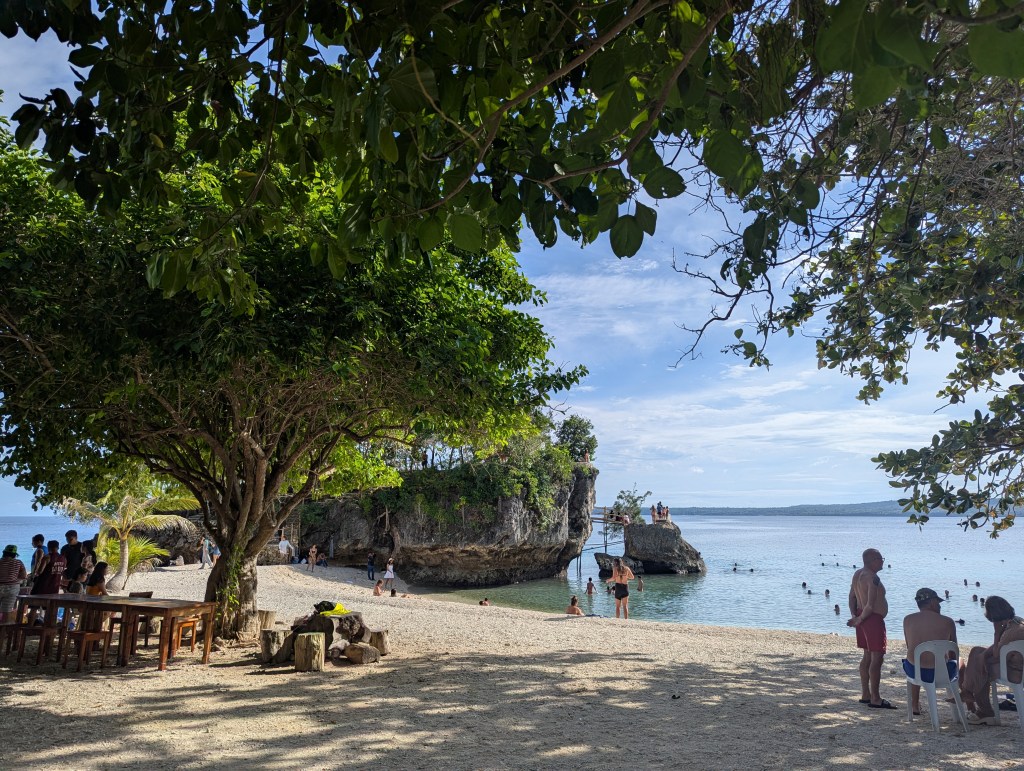
Every city has its dodgy areas that you should avoid; heck, there are places in Perth you couldn’t pay me to explore alone at night, and Cebu is no different. As long as you have your wits about you and use your street smarts, you’ll make your way around no problem, and you’ll find the locals are pretty friendly. If you’re staying at a hotel, just ask the staff if there are any areas you should avoid, and they’ll be more than happy to give you their recommendations for your stay.
As for the provincial areas, I’ve never had moments of feeling unsafe. I’ve wandered around solo and with others, and mostly I’m met with curiosity and kindness. I still avoid wandering around at night alone, like I would in most places, and again, stick to busy areas or places where other people, local or tourist, are hanging around. If you’re staying in hotels/hostels/Airbnb’s, there’s no doubt going to be other travellers around, which, if you’re solo, can give you more confidence in getting around.
Is it easy to get around in the Philippines?
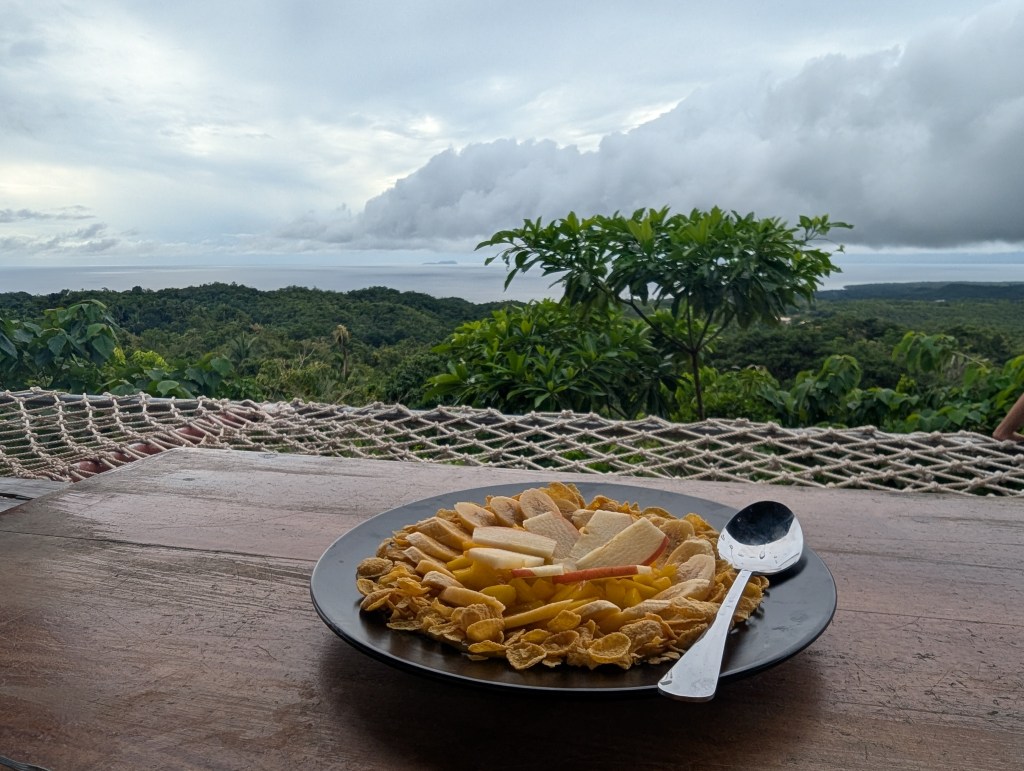
When it comes to transport in the Philippines, the islands are your oyster: taxis, jeepneys, buses, tricycles, habal-habal (motorbikes), hire vans (with drivers), scooters, bangka (traditional boats), ferries, and planes. Taxis are the more expensive choice as they are the most convenient, and you can catch one from practically anywhere around the city. There are buses with routes to the major shopping centres and popular hubs in the city, as well as buses that venture further around the island to more remote locations, such as Moalboal and Oslob. We tend to travel with a group of family in tow, so often we’ll hire a van with a driver to take us to mum’s family home in the mountains or to further destinations south. This is a great option if you have a larger group and want the flexibility of being able to choose where you stop along the way.
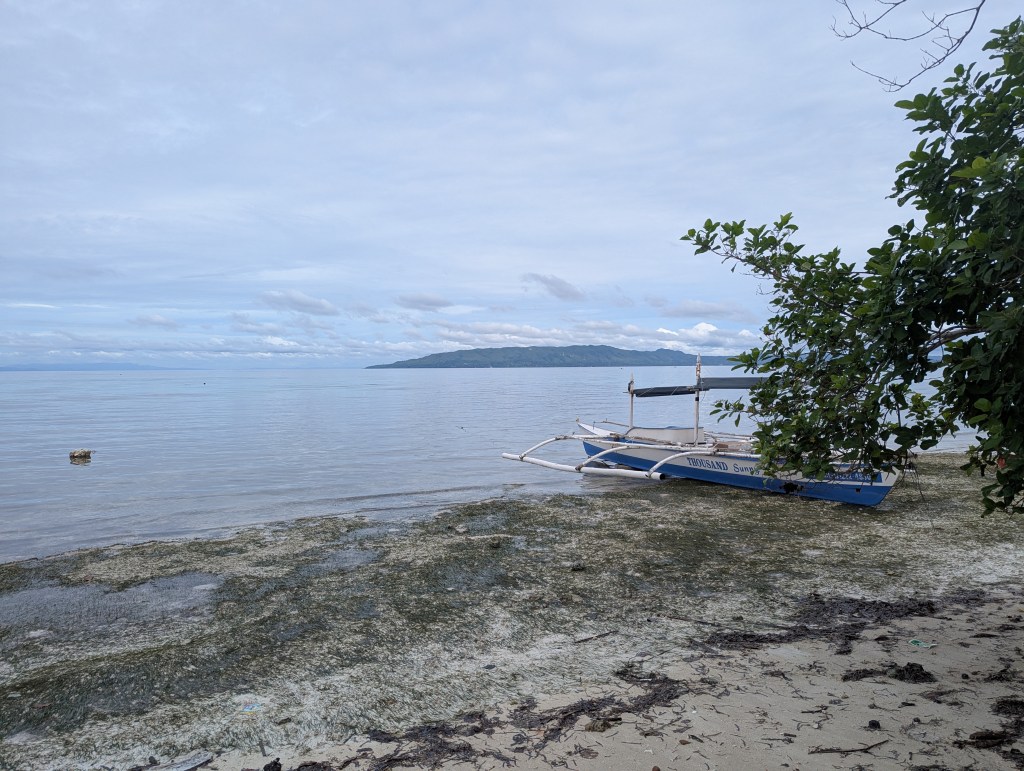
In the provinces, it’s more likely you’ll be getting around on tricycles and habal-habal, which run fairly cheaply, and if you’re at a beach location, you may find yourself taking a ride on a traditional bangka boat to incredible swimming spots around the coast. If you’re comfortable driving a scooter yourself, it can also be convenient to rent one with a helmet to get to more remote locations with ease. You usually only need a driver’s license to hire a scooter, and I recommend sticking to places with low traffic, like Siquijor.
Habal-habal rides are common in the city too, which will zip you through the traffic much quicker than a taxi, but be aware of the safety risks that come with being on a motorbike and make sure you’re provided with a helmet. On a trip back into the city from the port after staying in Bohol, I chose to take a habal-habal to my hotel since I was tired and wanted to get to the hotel ASAP, and the drivers were pretty persistent with how much better it would be over a taxi. I caved to the heckling, much to my mother’s dismay, and ended up having a great chat with my driver, a young Filipino saving money for his college fees by giving people rides through the city. I was pretty grateful for the time it saved me.
The big and beautifully decorated jeepneys are a trickier mode of transport to master. There are two types now: the traditional brightly coloured and open-air jeepney, and a closed-in jeepney with air-conditioning that is more like a bus. Admittedly, I will only ever catch a jeepney when I’m getting around with my cousins because I find the route systems to be a little confusing. If you look closely, you’ll see that the Jeepneys have locations written on them, such as Ayala or Colon Street. This tells you where the jeepney is headed. Alternatively, each jeepney has a number on it, and if you’re familiar with what number goes where, you can hop on and off with ease. Despite being difficult to figure out, riding a jeepney is a worthwhile experience for any visitor looking to immerse themselves in Filipino culture.
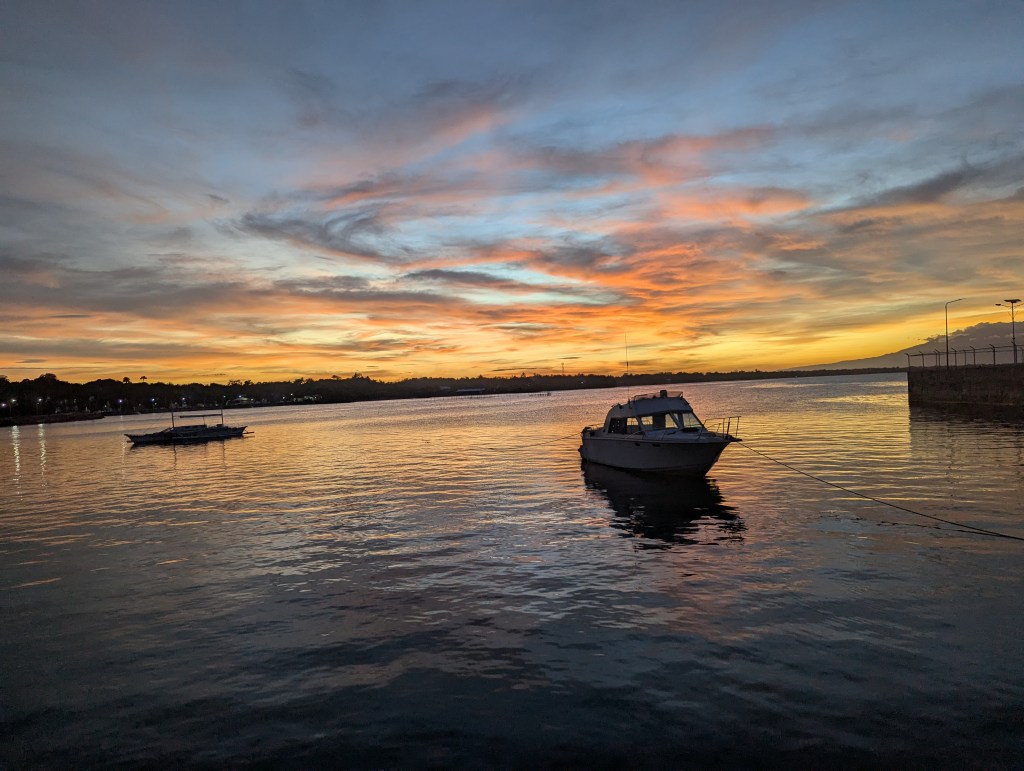
For moving between islands, ferries and planes are easy to book online. Ferries are fairly cheap and comfortable, and can get you to some pretty cool places like Negros and Siquijor. Flights will take you longer distances but can be pricey for reaching certain locations, and you’ll often need to take a long bus or car ride to reach your final tropical island destinations after landing from a flight, so be prepared for some travel time in between locations. I often recommend choosing just a couple of main locations to visit and spending a bit longer in each place so you can spend more time enjoying what the Philippines has to offer and less time sitting in uncomfortable transport.
Having plenty of transport options isn’t the only thing that makes getting around in the Philippines easy. English is considered the country’s unofficial national language, with children starting to learn English when they first enter school. This is a massive perk for international visitors and removes any fear of a language barrier (for English speakers, of course).
Will the food make me sick?
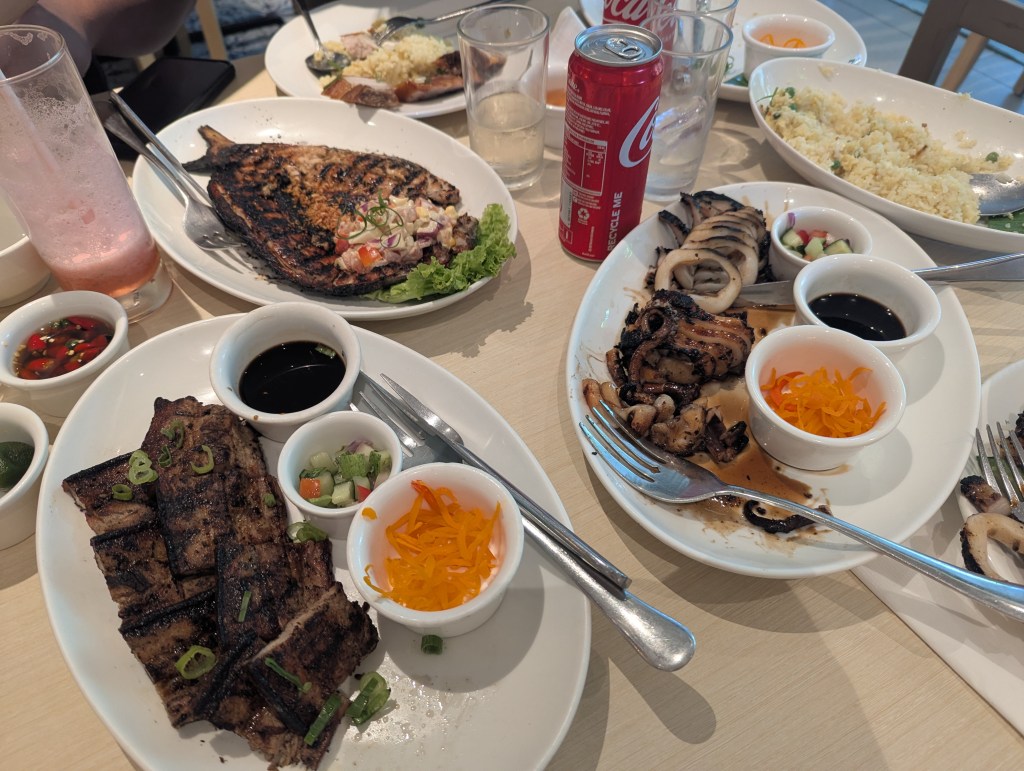
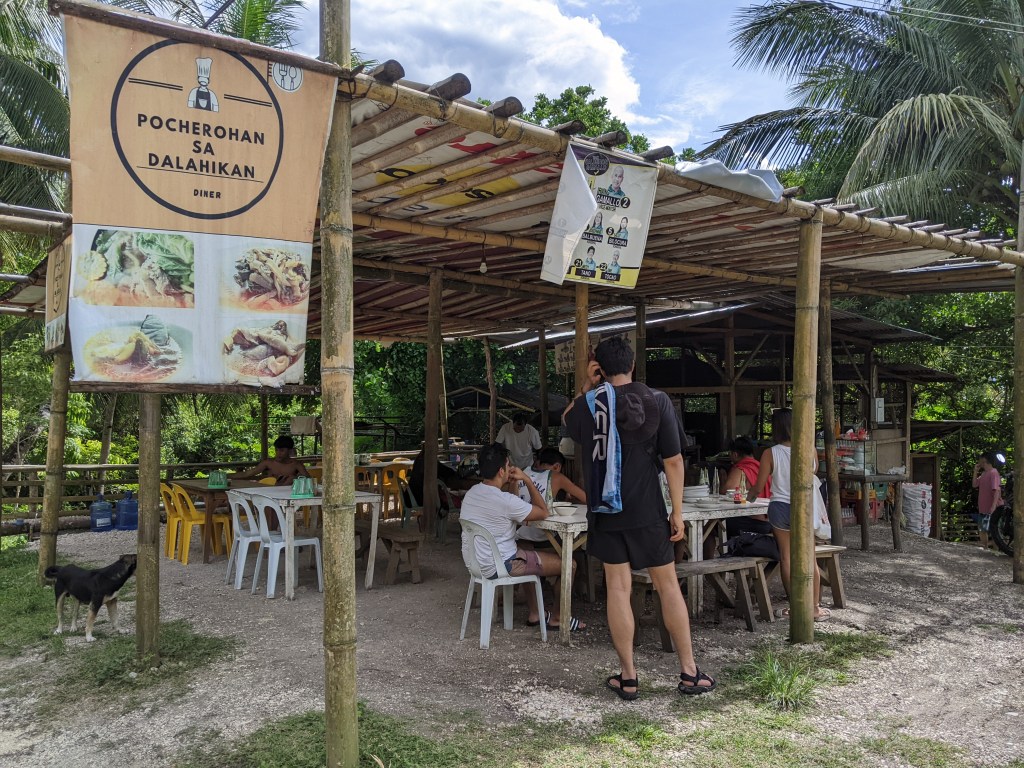
I’ll be real with you, it might. For the most part, there’s no need to worry, but no country is completely free from an unkept kitchen or a spot of food contamination. Regular cafes and restaurants are safe, as well as popular, well-maintained carinderias (street-side eateries). It goes without saying that if you try some random street food where the food doesn’t look like it’s being stored well, or the cooking station is looking a bit dodgy, you may be taking a risk. Again, just use your street smarts and ask locals for recommendations if you’re feeling unsure. The main thing you want to avoid is tap water. Make sure you’re always drinking bottled water and avoid ice, especially out in the provinces, and use bottled water to brush your teeth to be extra cautious.
Will I get scammed in the Philippines?
Another big fear for those visiting the Philippines is getting scammed. In my experience, most taxi drivers will charge you a fair price, especially if you go in with confidence rather than giving the impression of a clueless tourist. I would often jump into a taxi or tricycle and ask “tag pila?” (how much) and it was enough to let the driver know I wasn’t about to put up with being overcharged. However, “tag pila” is the Cebuano/Visayan way to say “how much”, in other areas like Manila, you will need to use the Tagalog term. I recommend learning some basic short phrases for any country you are visiting for the first time, not only for ease of travel, but so you can enjoy a deeper connection with the people you meet.
Often, the best course of action when met with a dodgy-seeming scenario is to assume the worst. In saying that, though, a friend recently told me of his trip in Puerto Princesa, where a cafe owner offered to take him and his mate on a discounted tour to see fireflies. My friend thought, maybe this is dodgy, and when the man showed up in a big black van at night, he thought, this definitely could be dodgy. But they decided to go for it anyway. In the end, they enjoyed a nice evening on the water watching fireflies and chatting with their unexpected guide. Now, I’m not saying you should be jumping in vans with strangers when they offer you something enticing, you really never know what the outcome will be when encountering strangers, but you should always trust your gut. If the person you’re talking to seems off, if the experience someone is offering you sounds suss, if someone is requesting money in an unusual way, then it is always safest to walk away and avoid the risk. Just use your best judgement.
So, should you be scared?
Overall, I’d say travelling in the Philippines is a safe and incredibly fun experience. Visiting any foreign country comes with its risks, and the Philippines is no exception, but as long as you stick to well-known areas and keep your wits about you, there’s no need to fear a trip to this stunning archipelago. I strongly encourage you to get to know the locals and immerse yourself in the culture to make the most out of your trip to the Philippines, because there’s so much to experience here beyond the beautiful beaches of El Nido and the popular surf of Siargao.
Find some Philippines recommendations here and follow my Instagram for travel inspiration.
 Kulture Kaiwa
Leave a comment